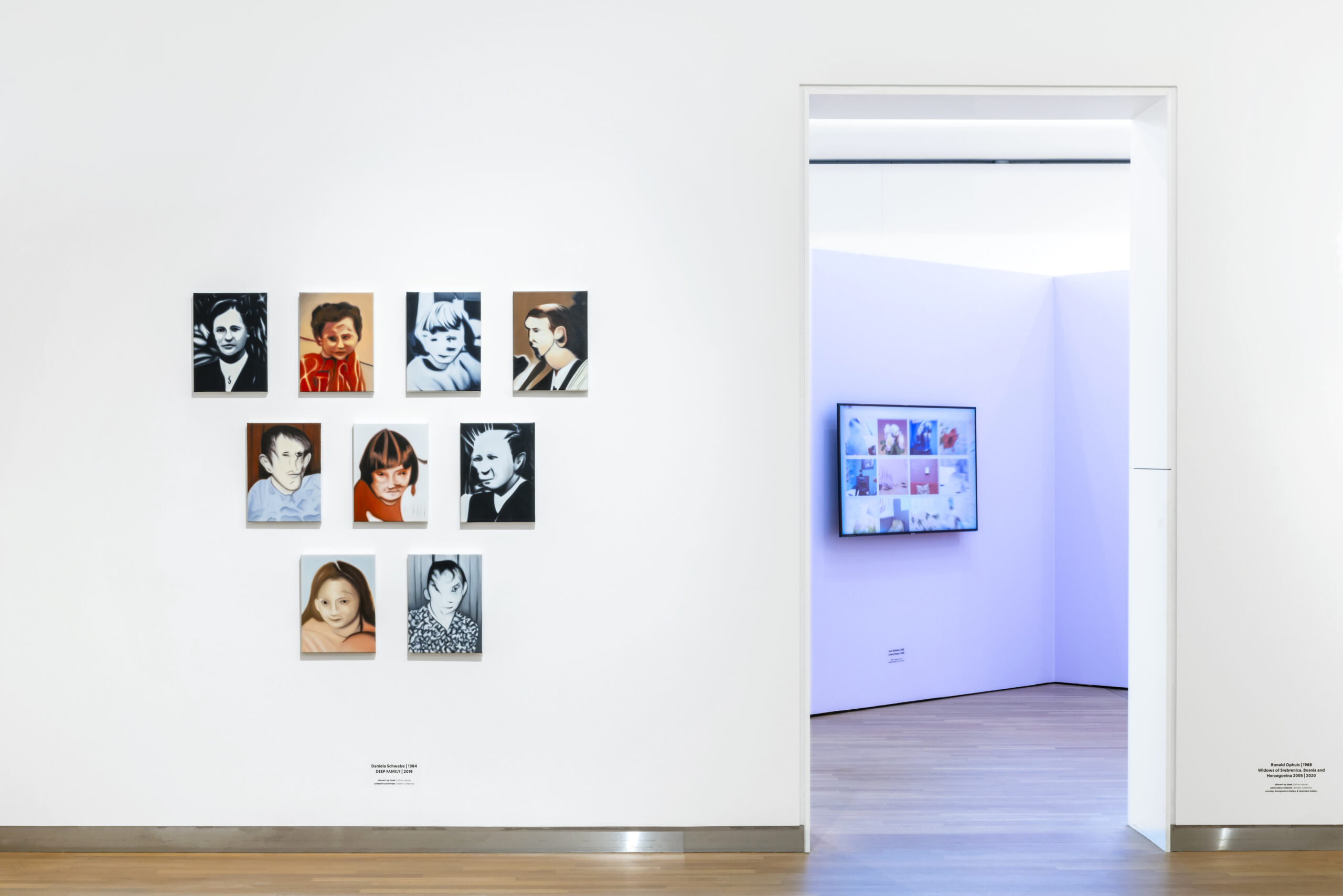
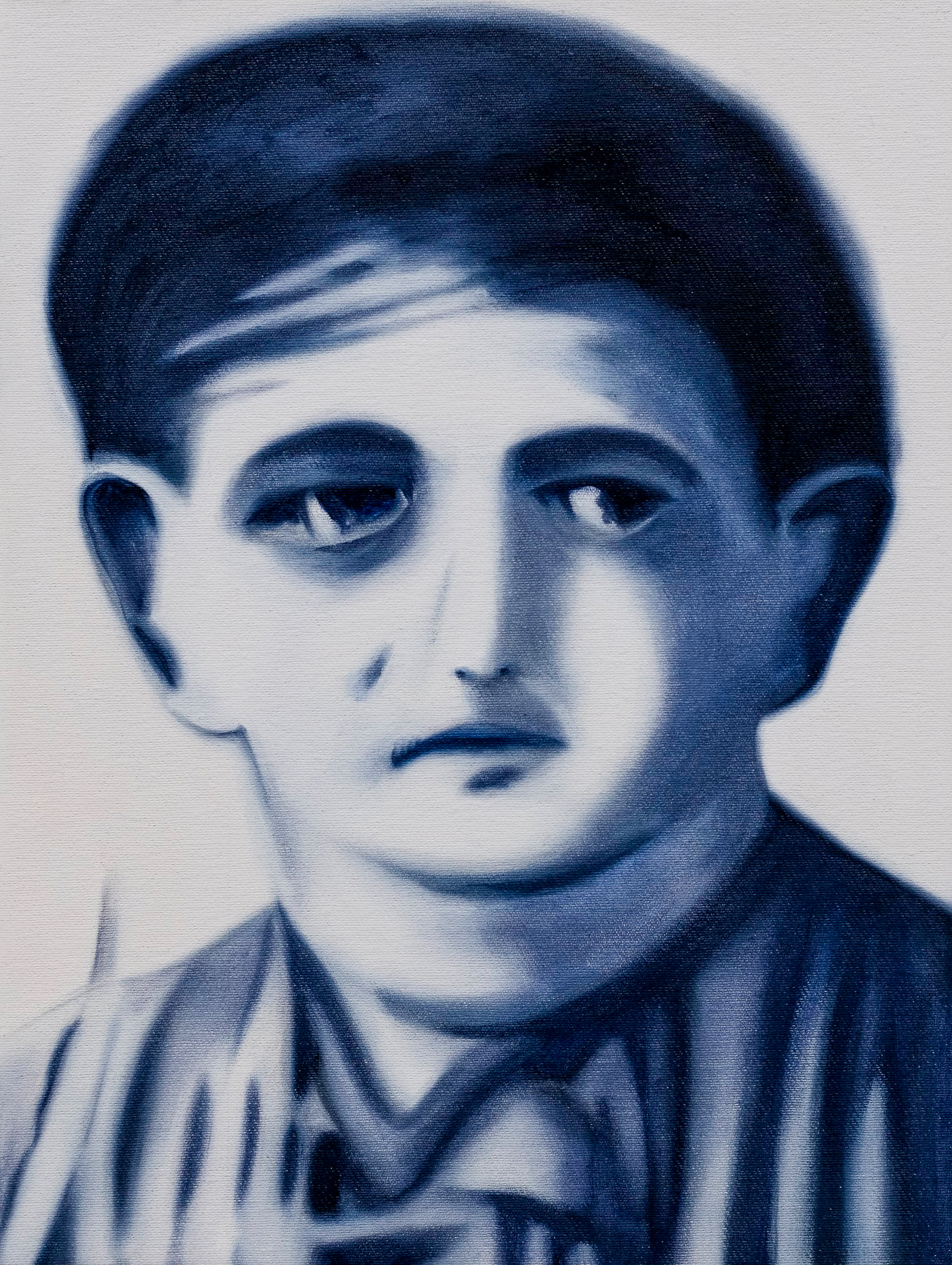
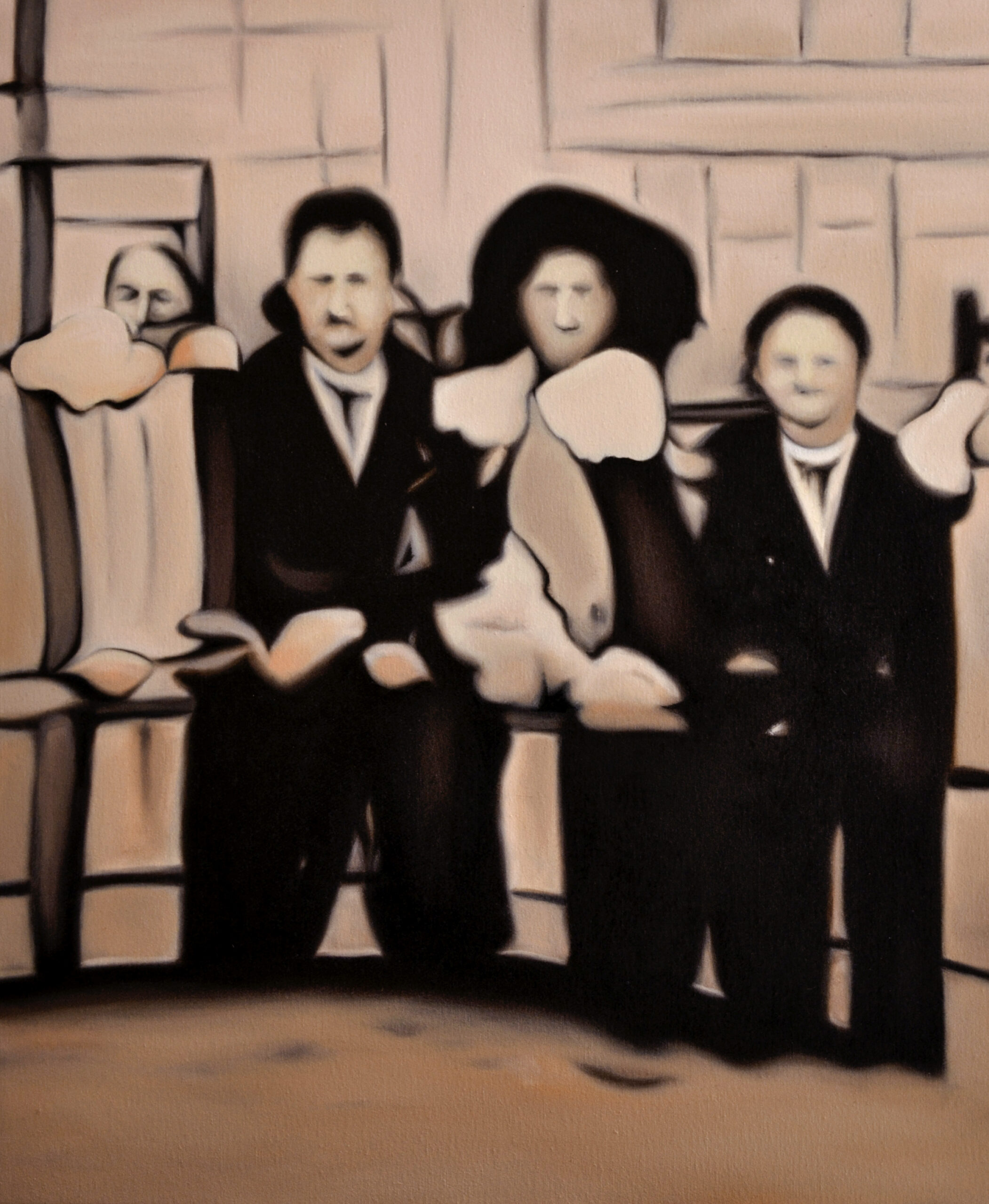
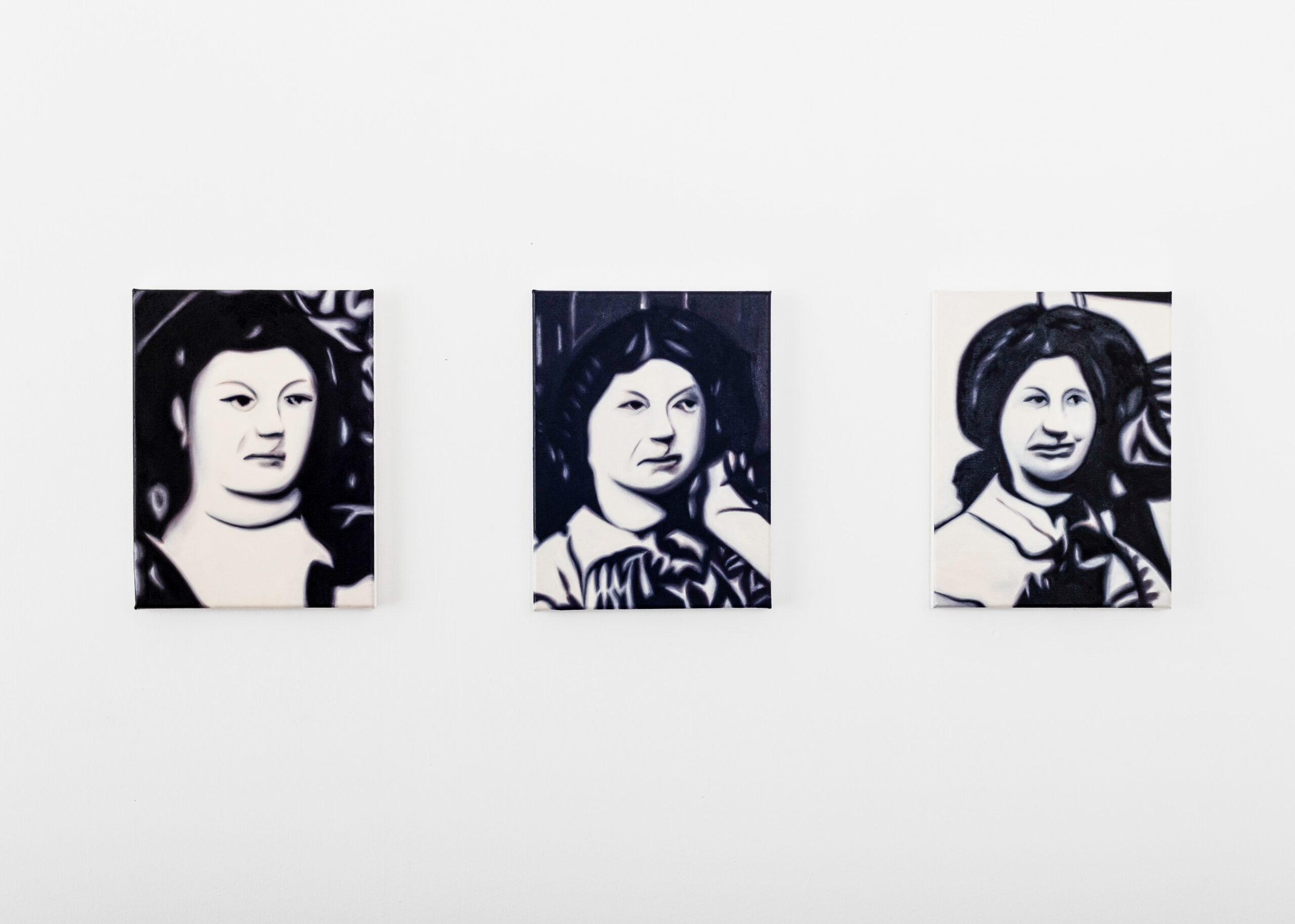
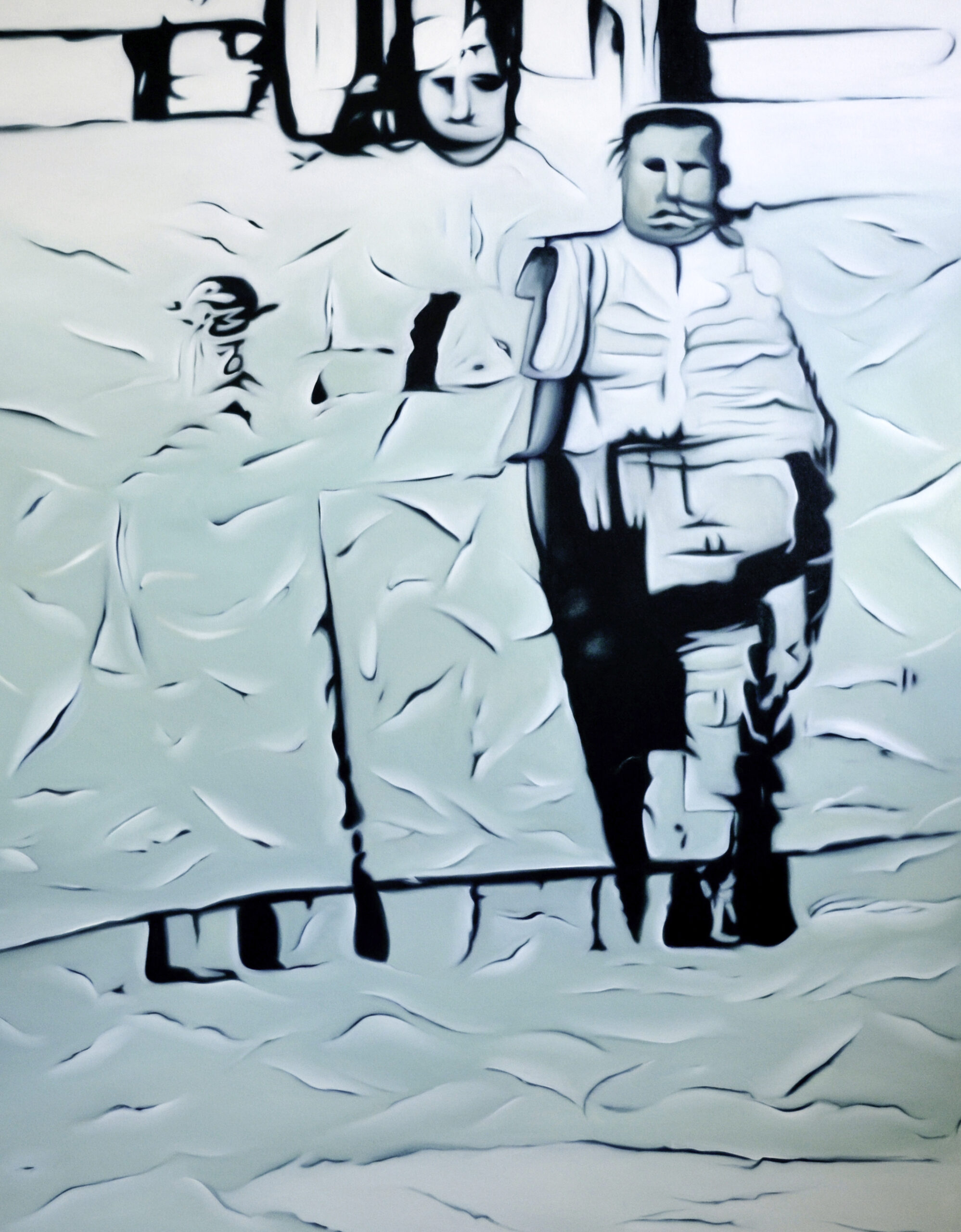
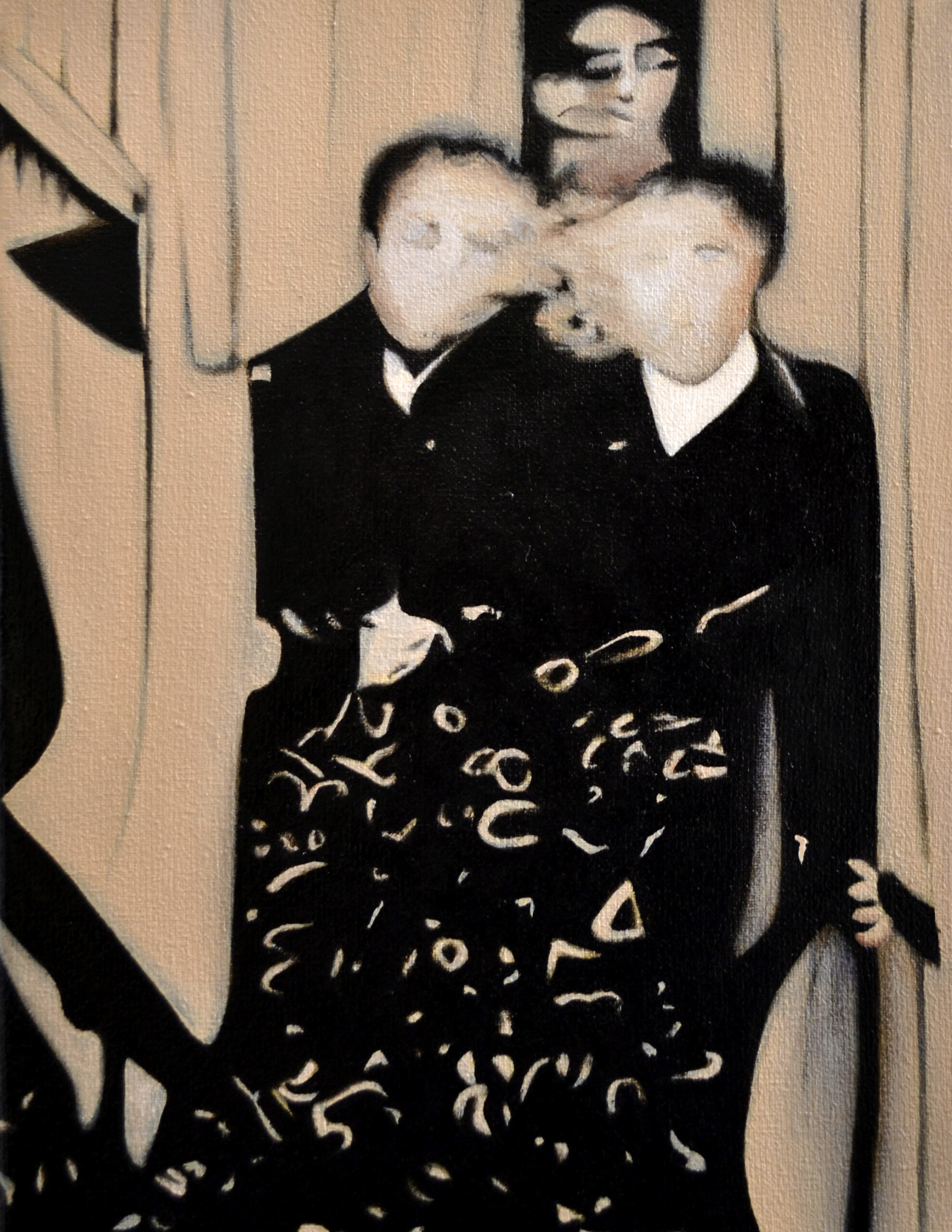
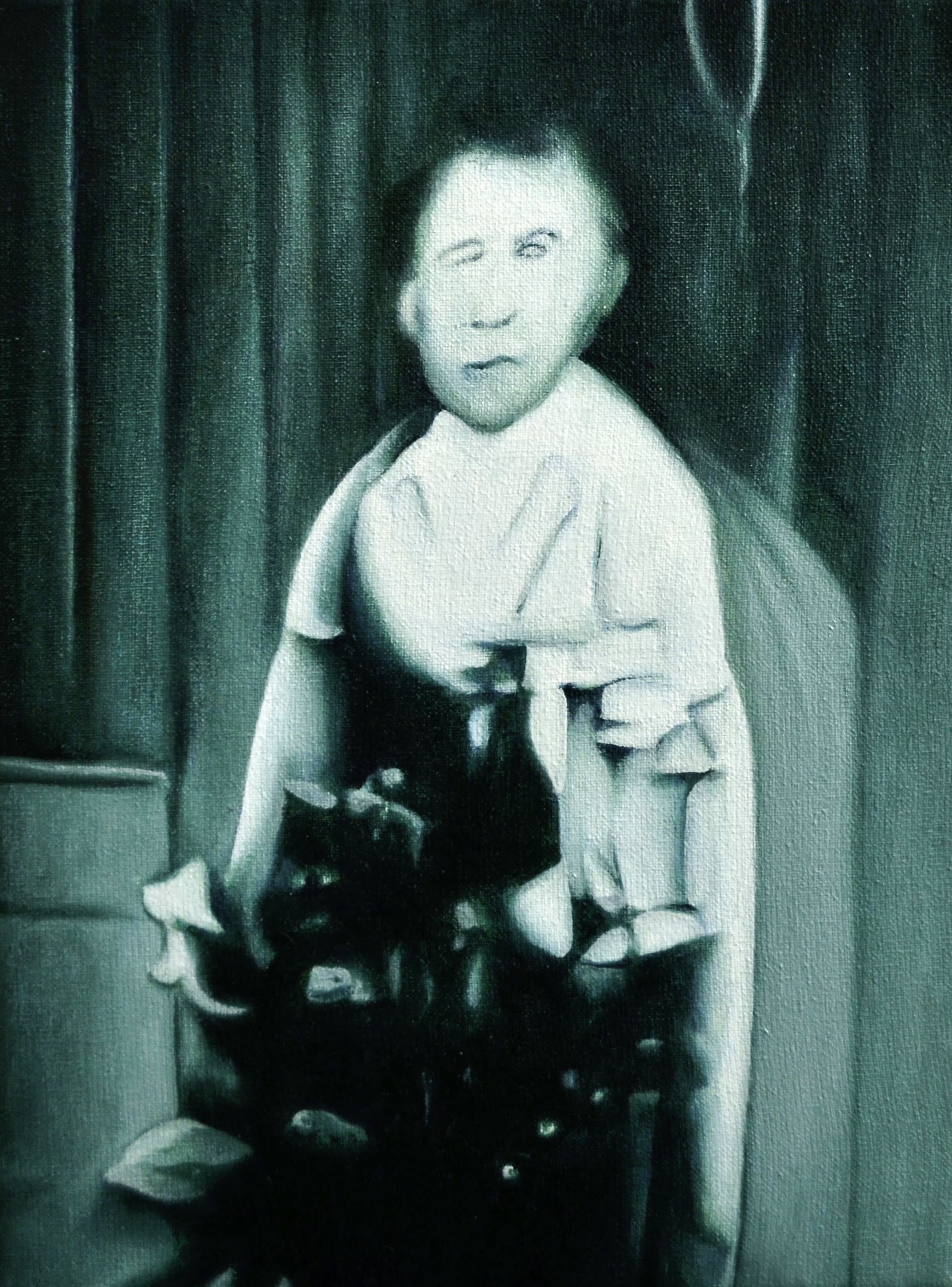
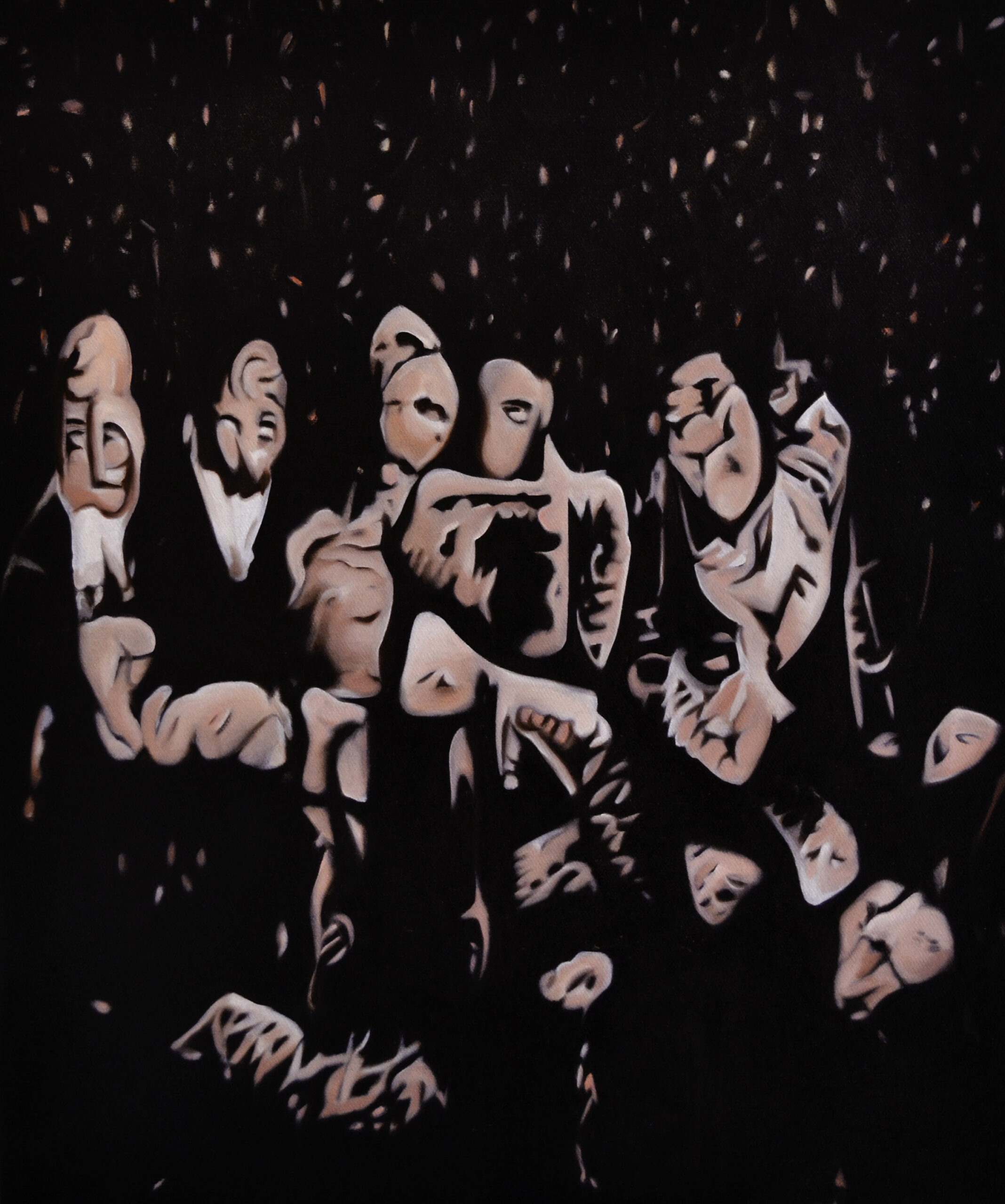
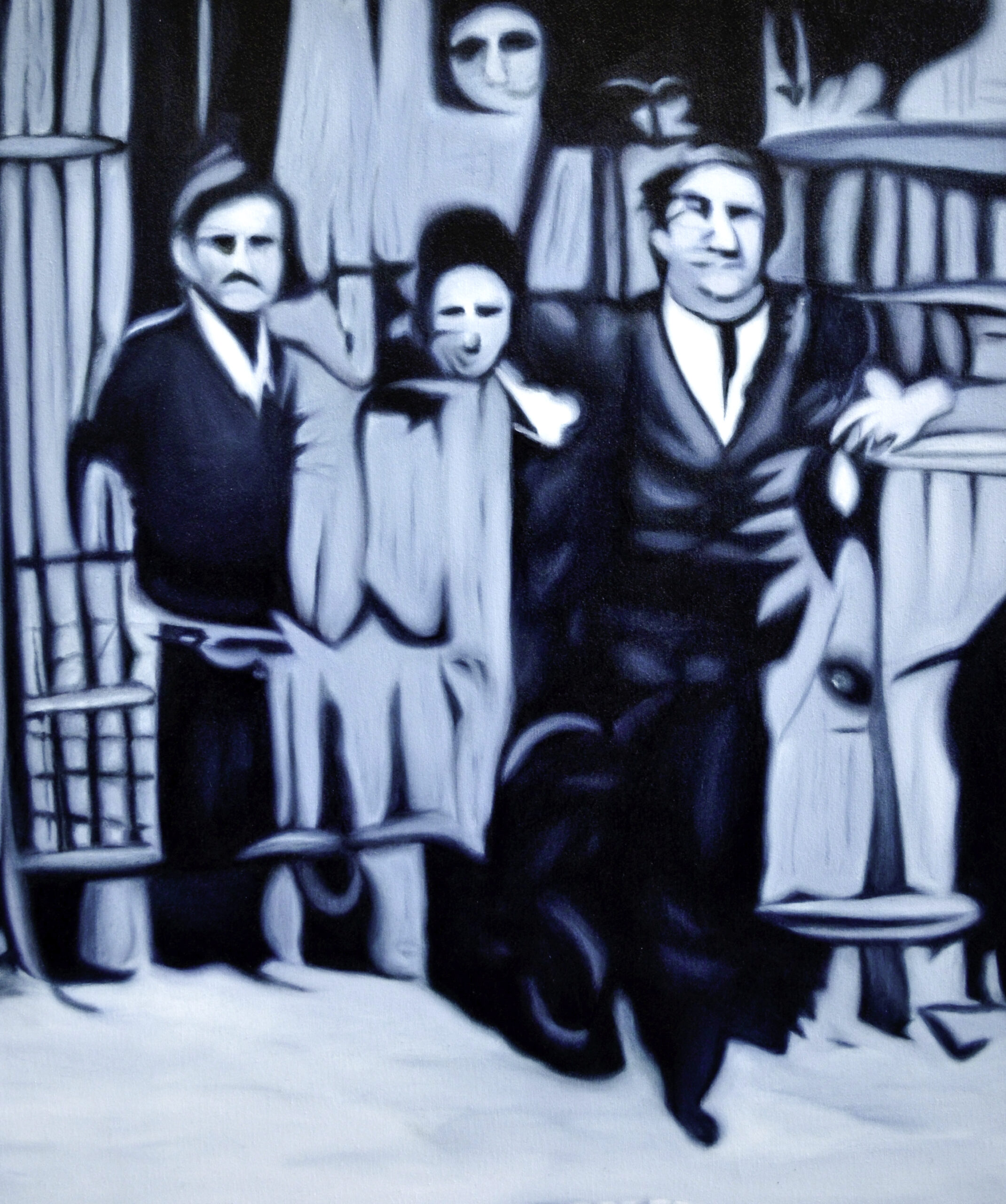
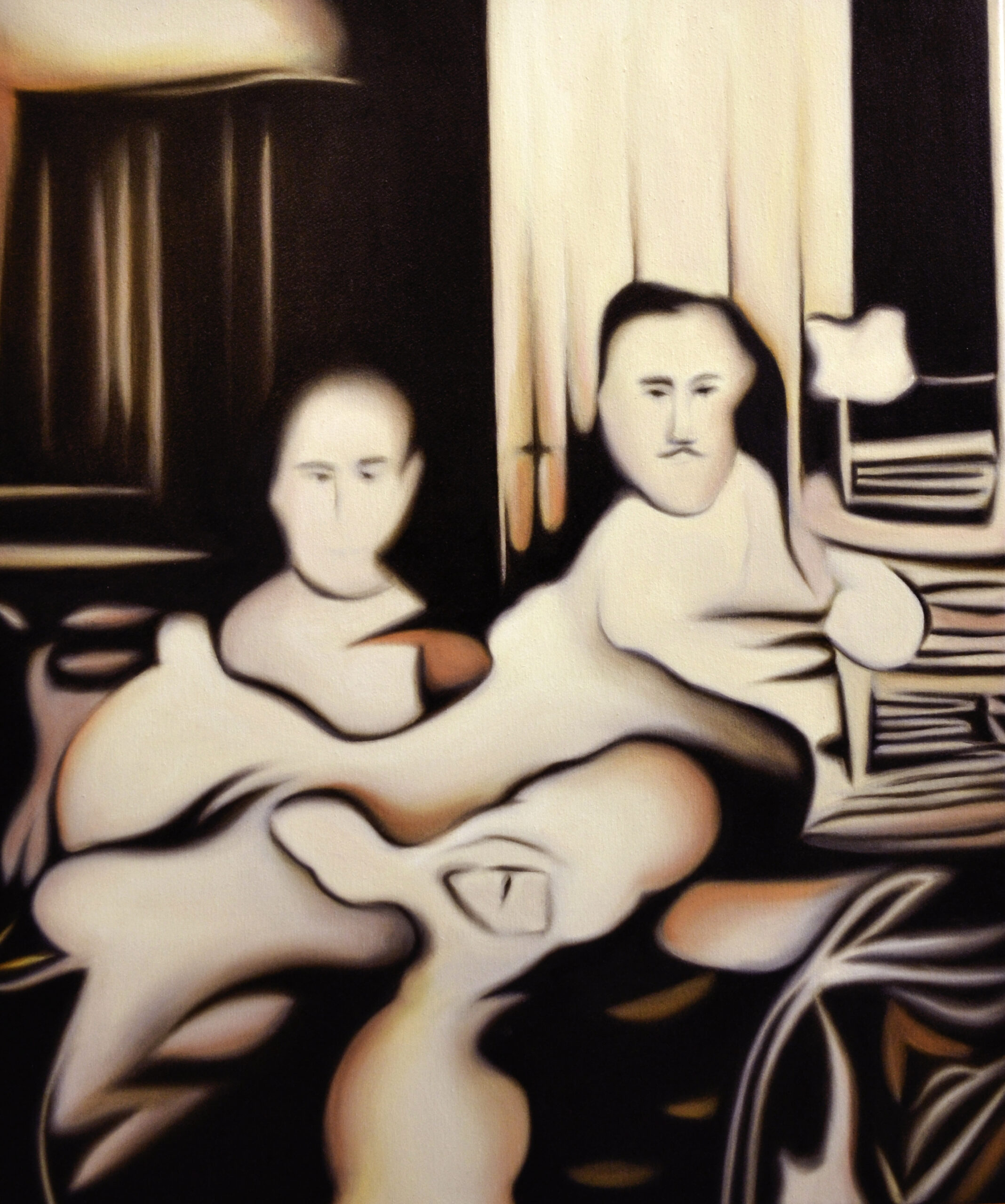
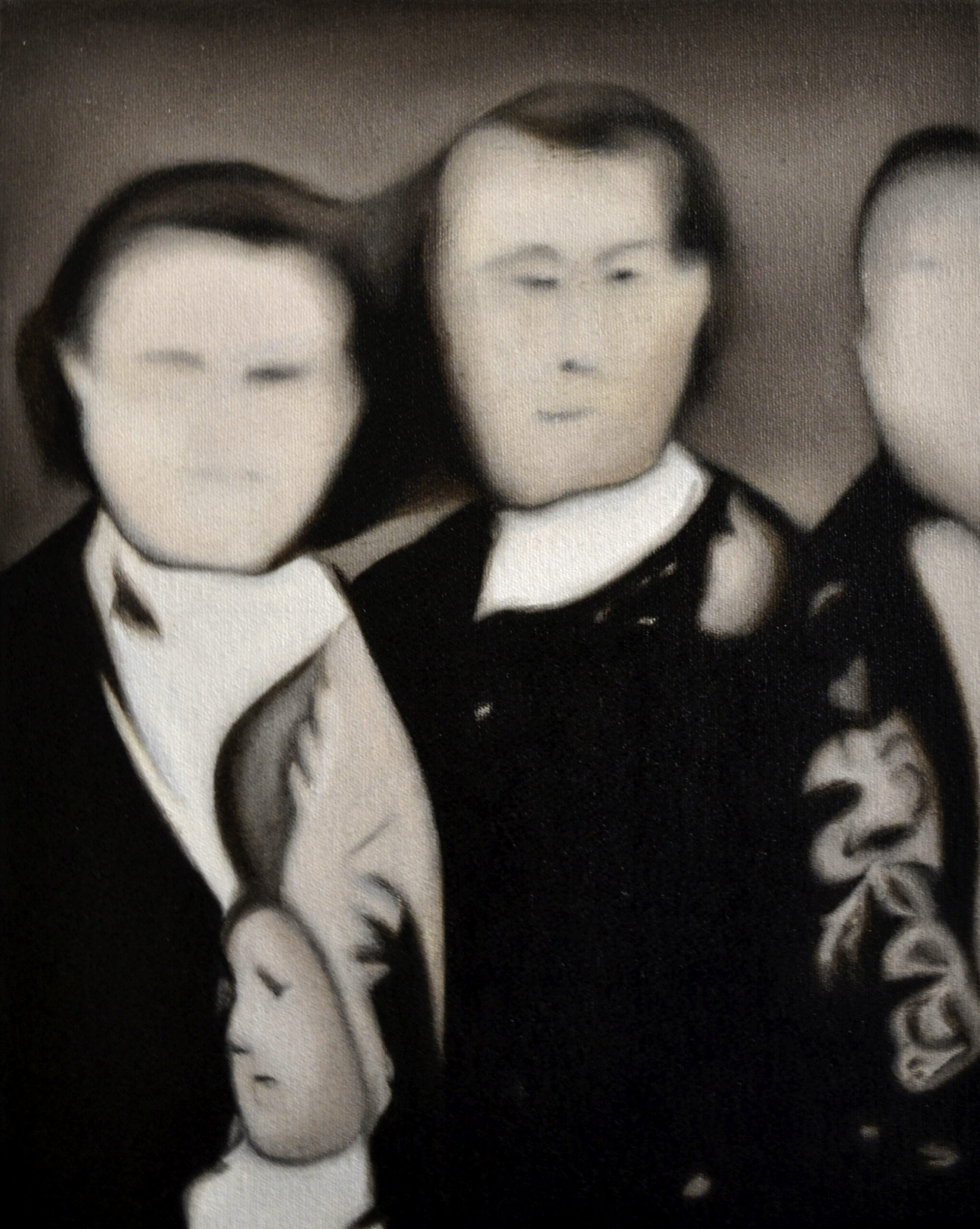
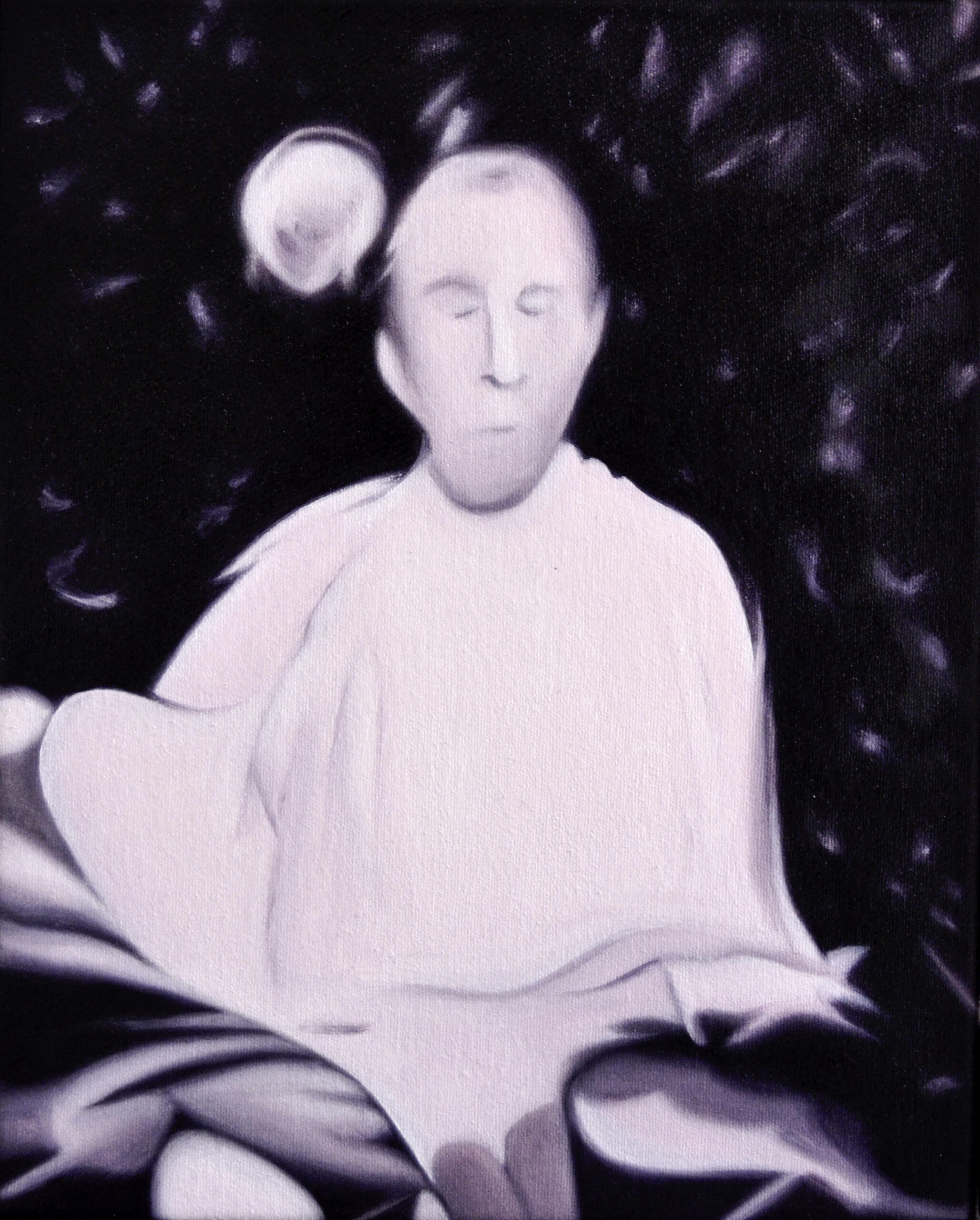
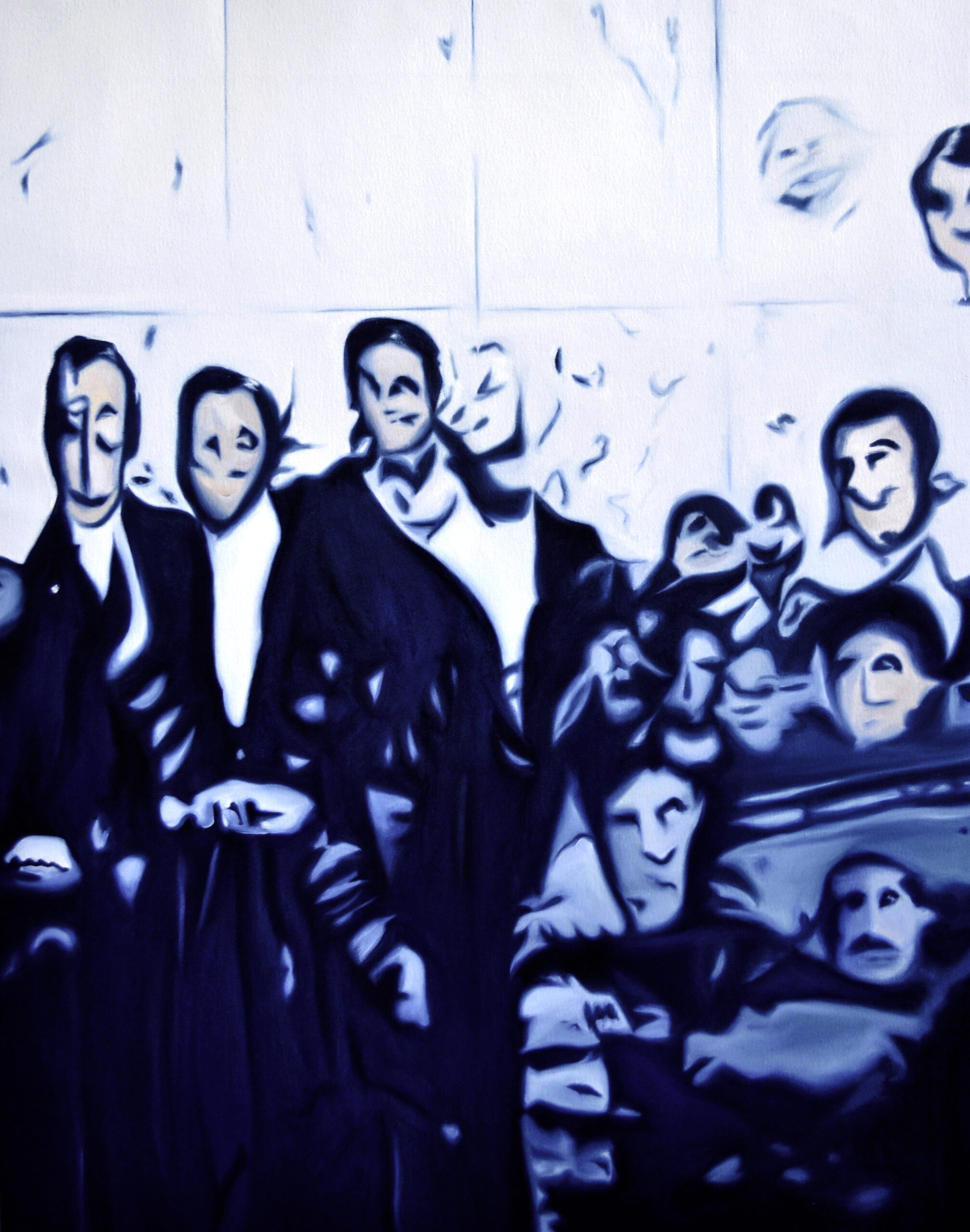
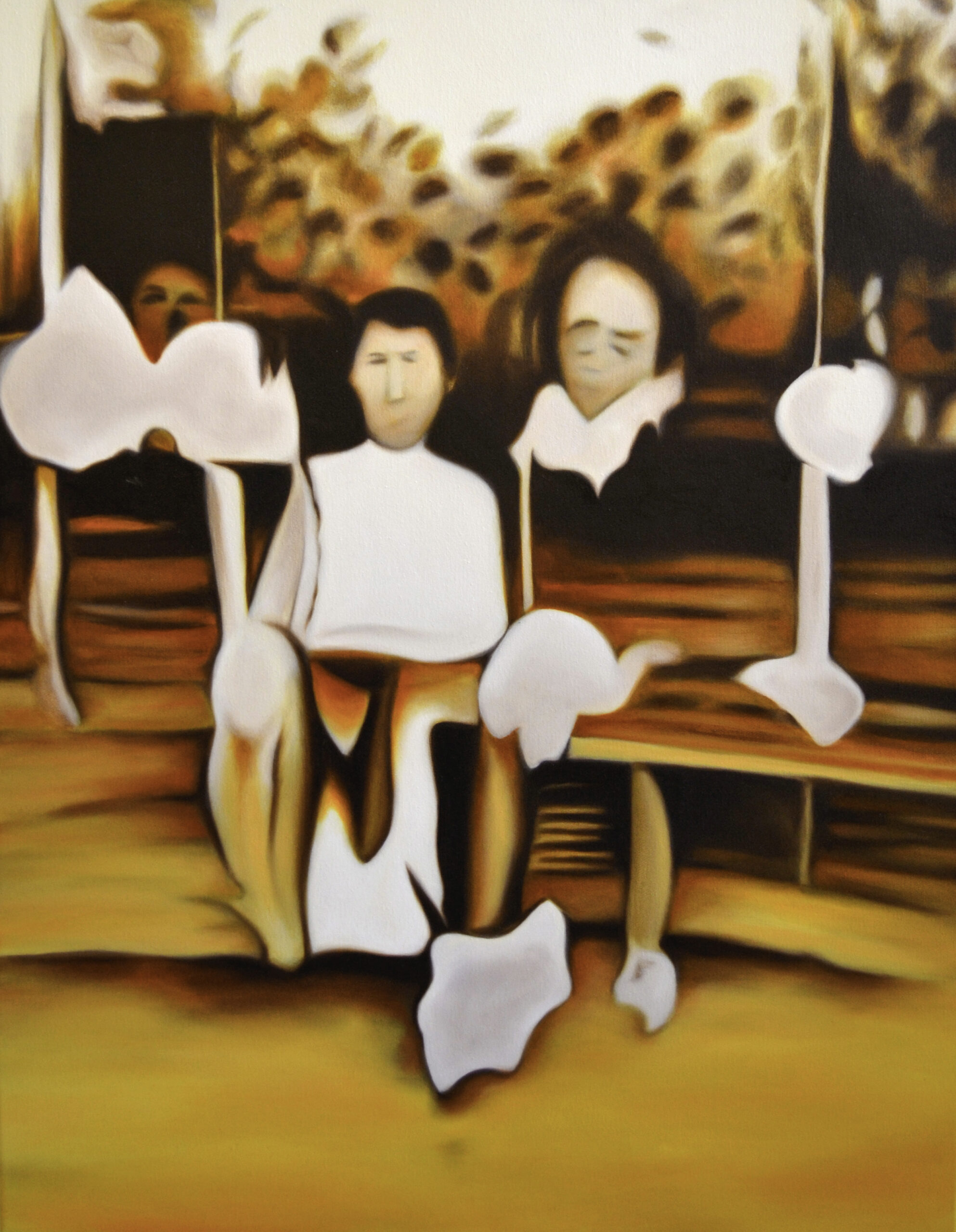
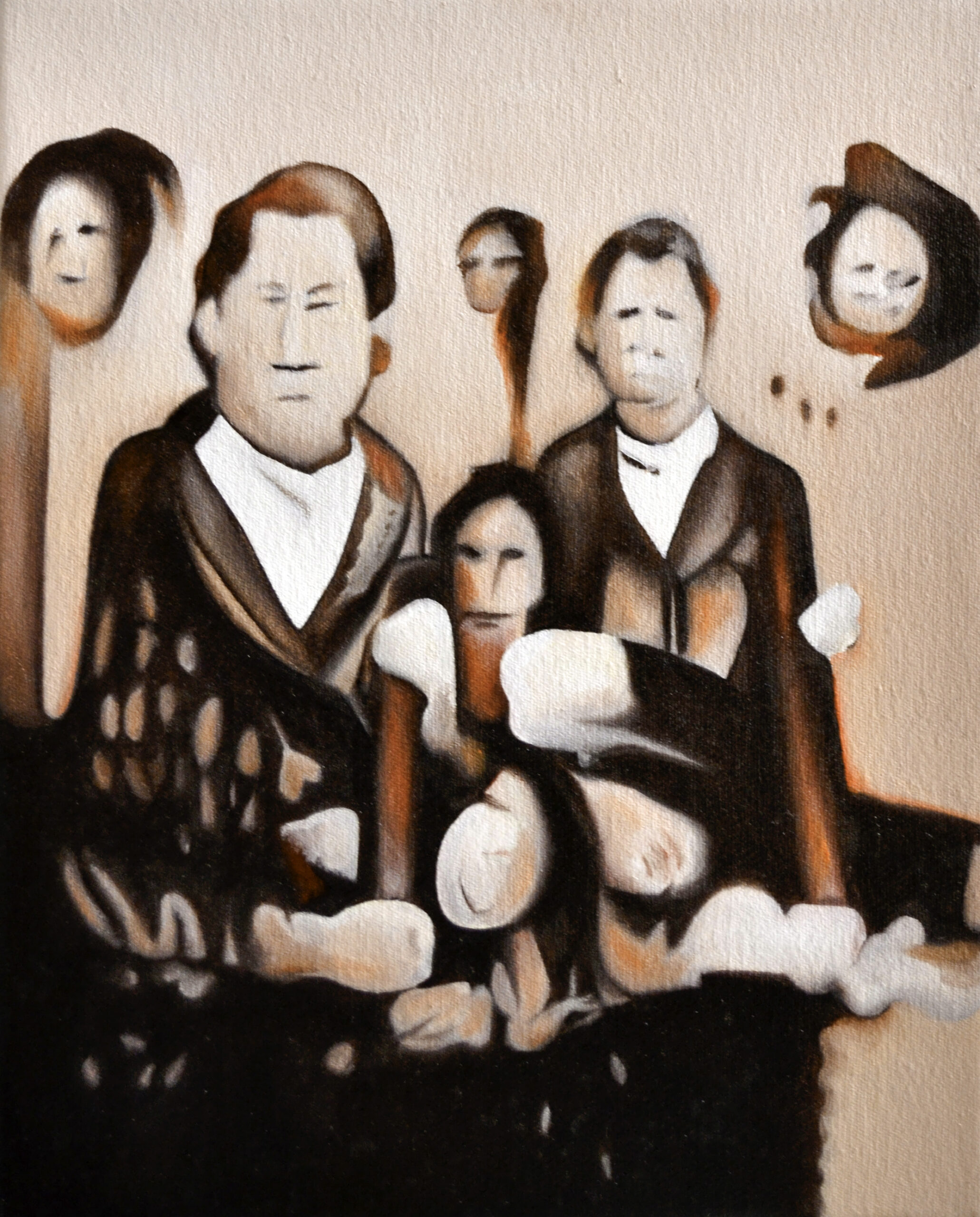
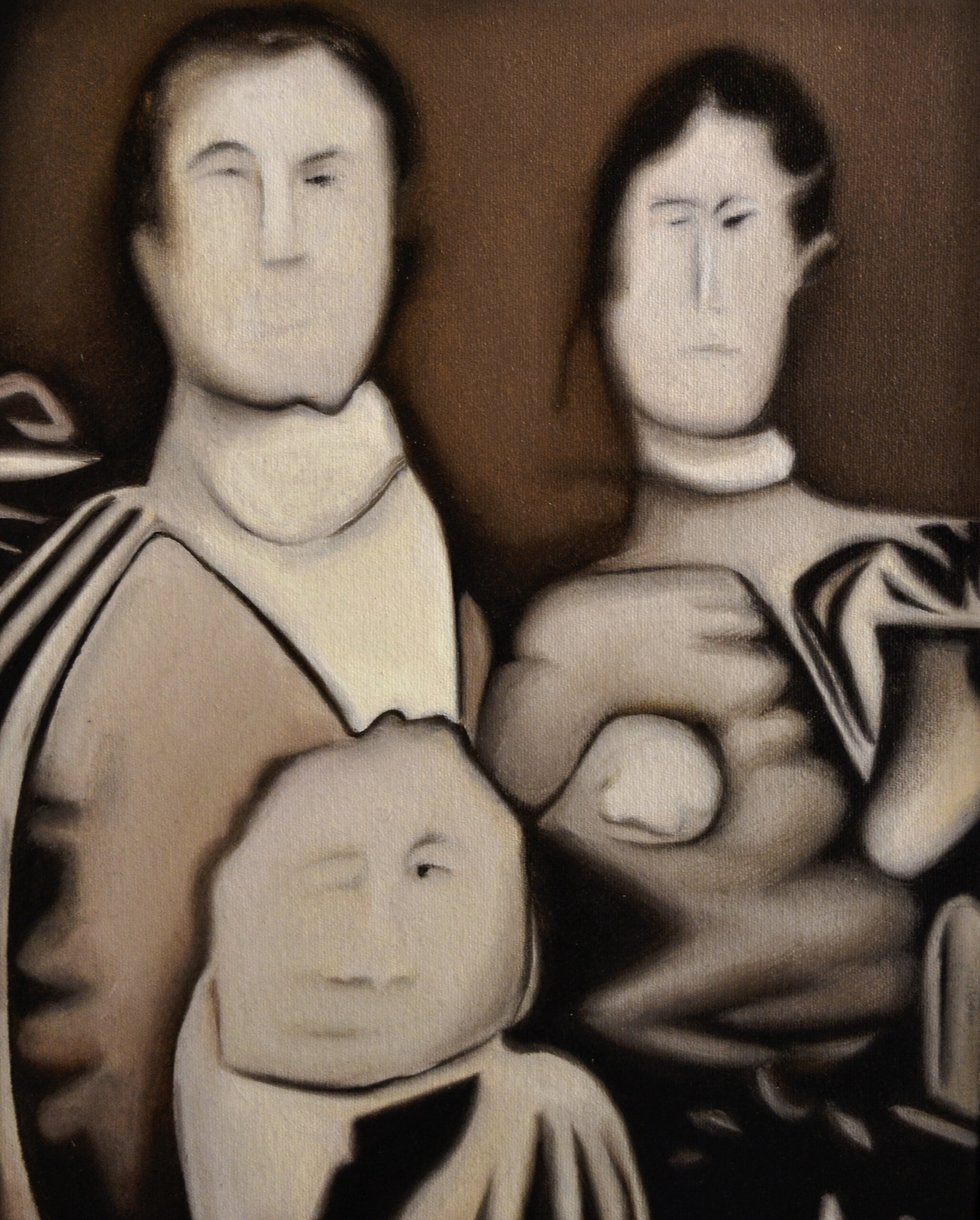
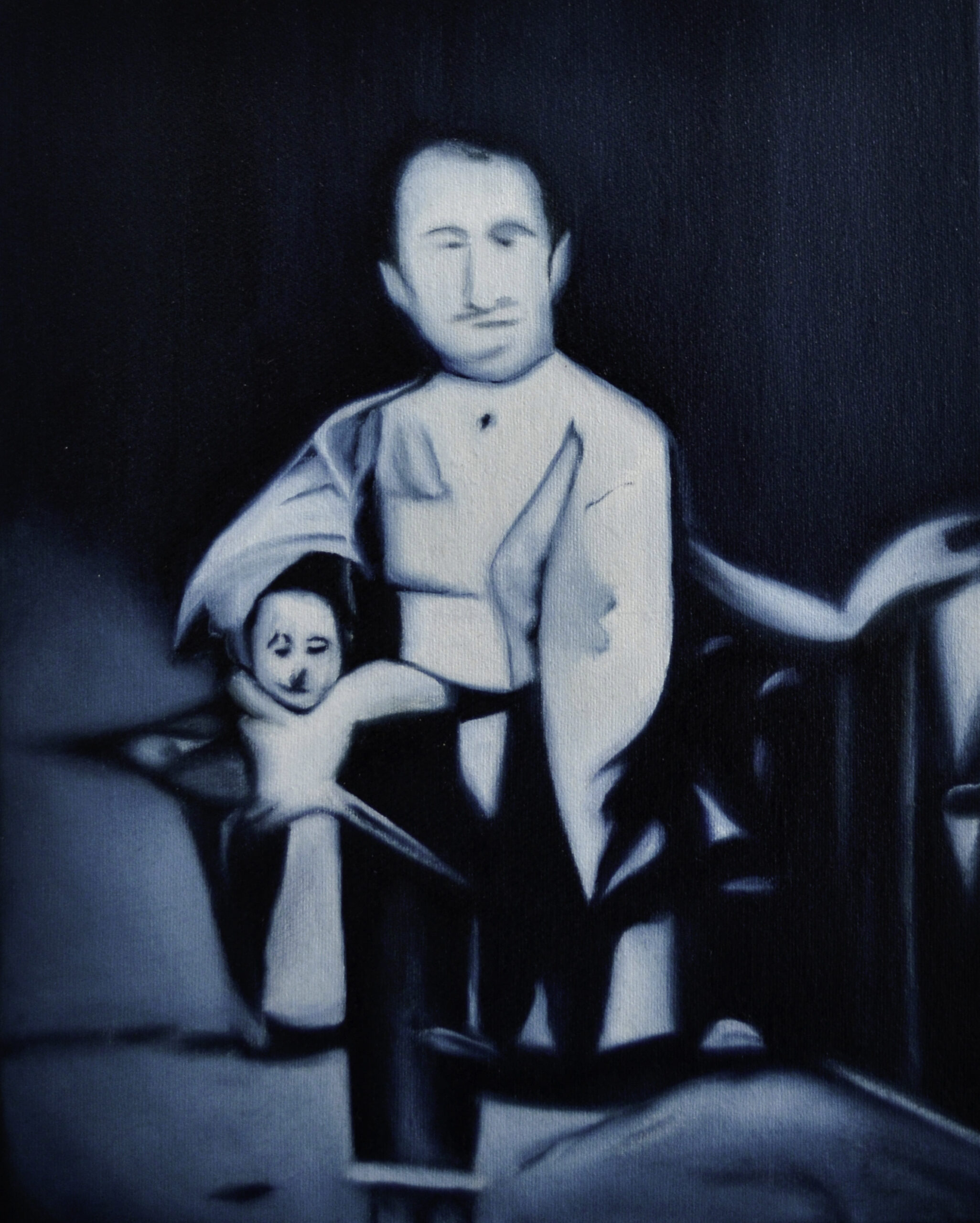
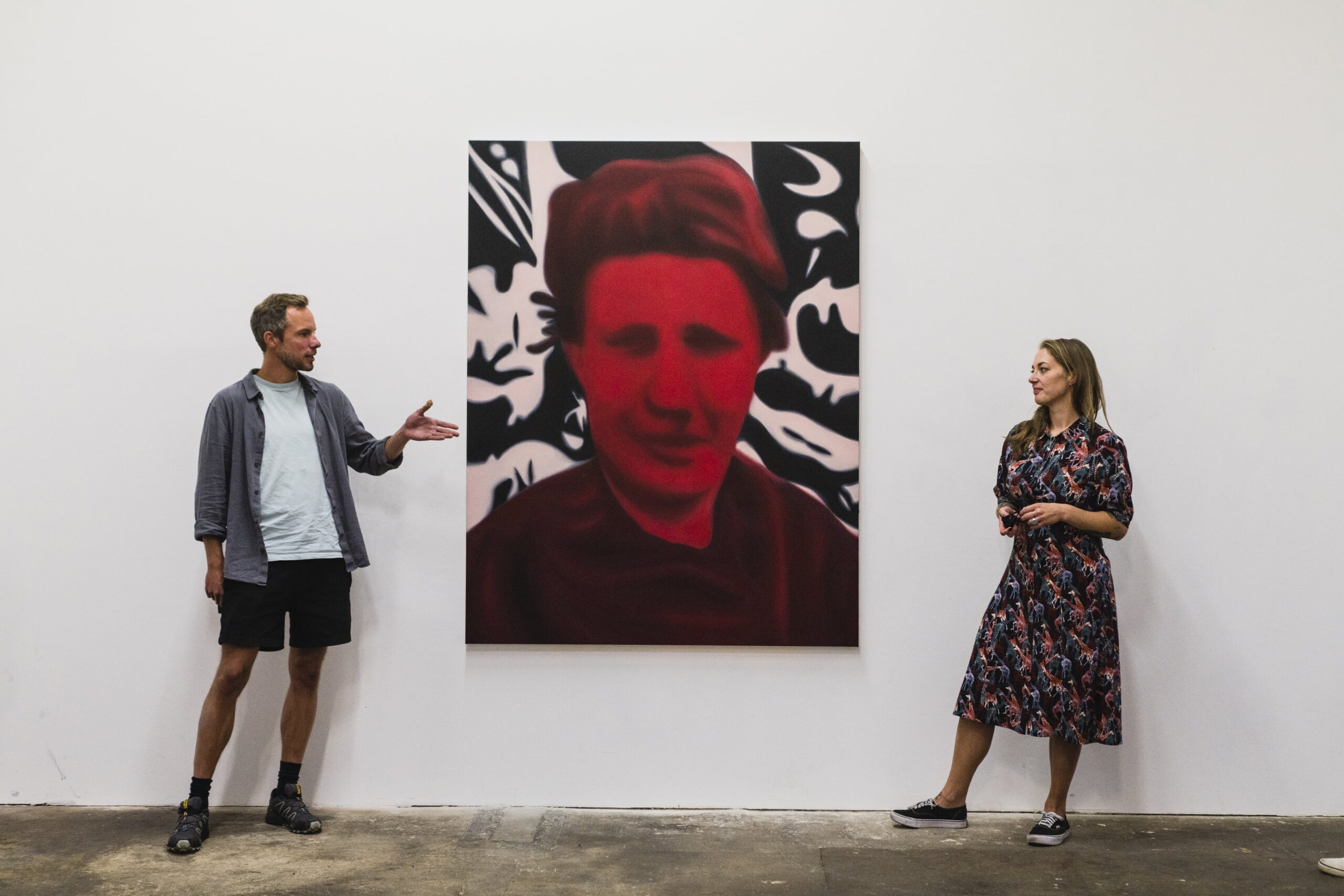
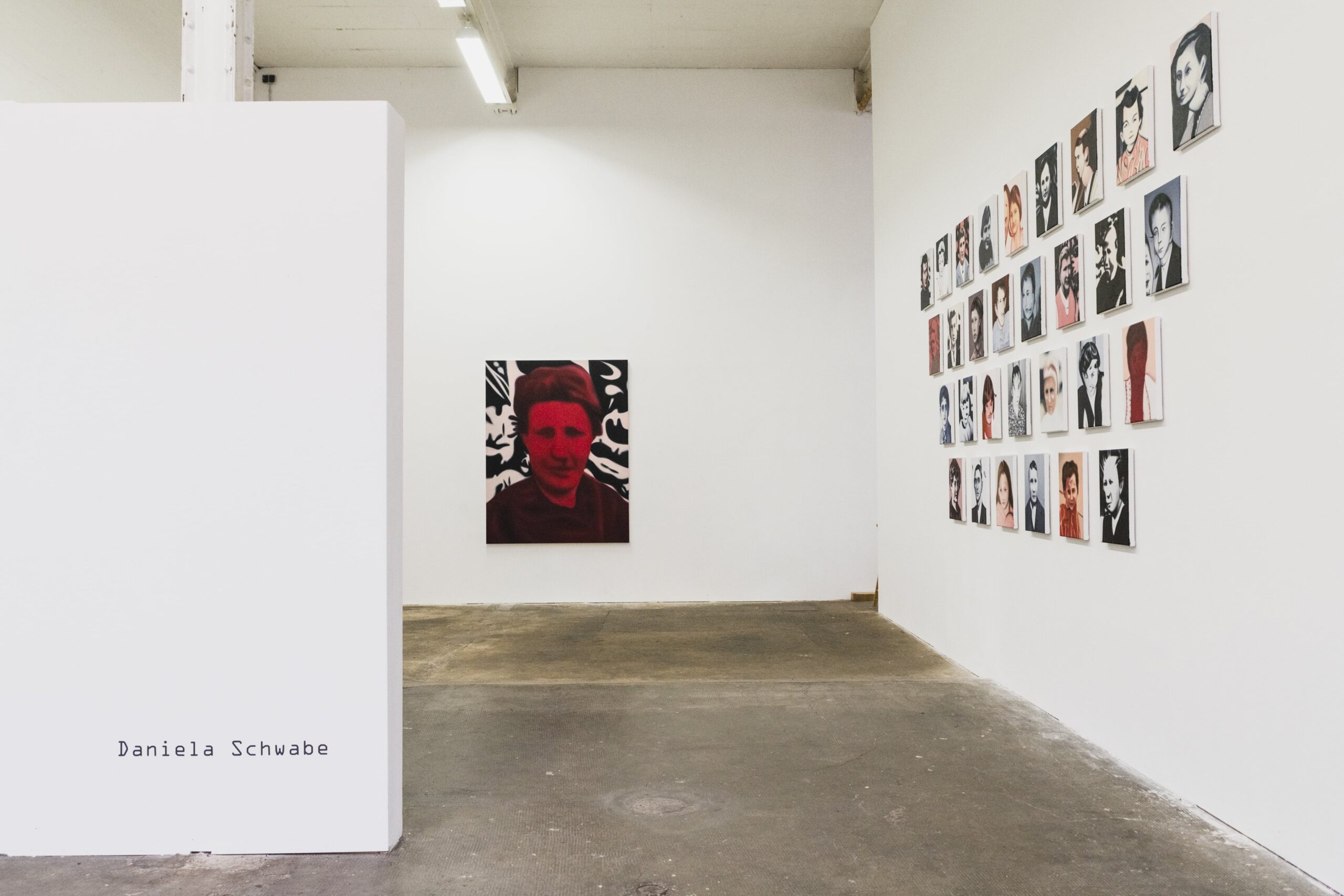
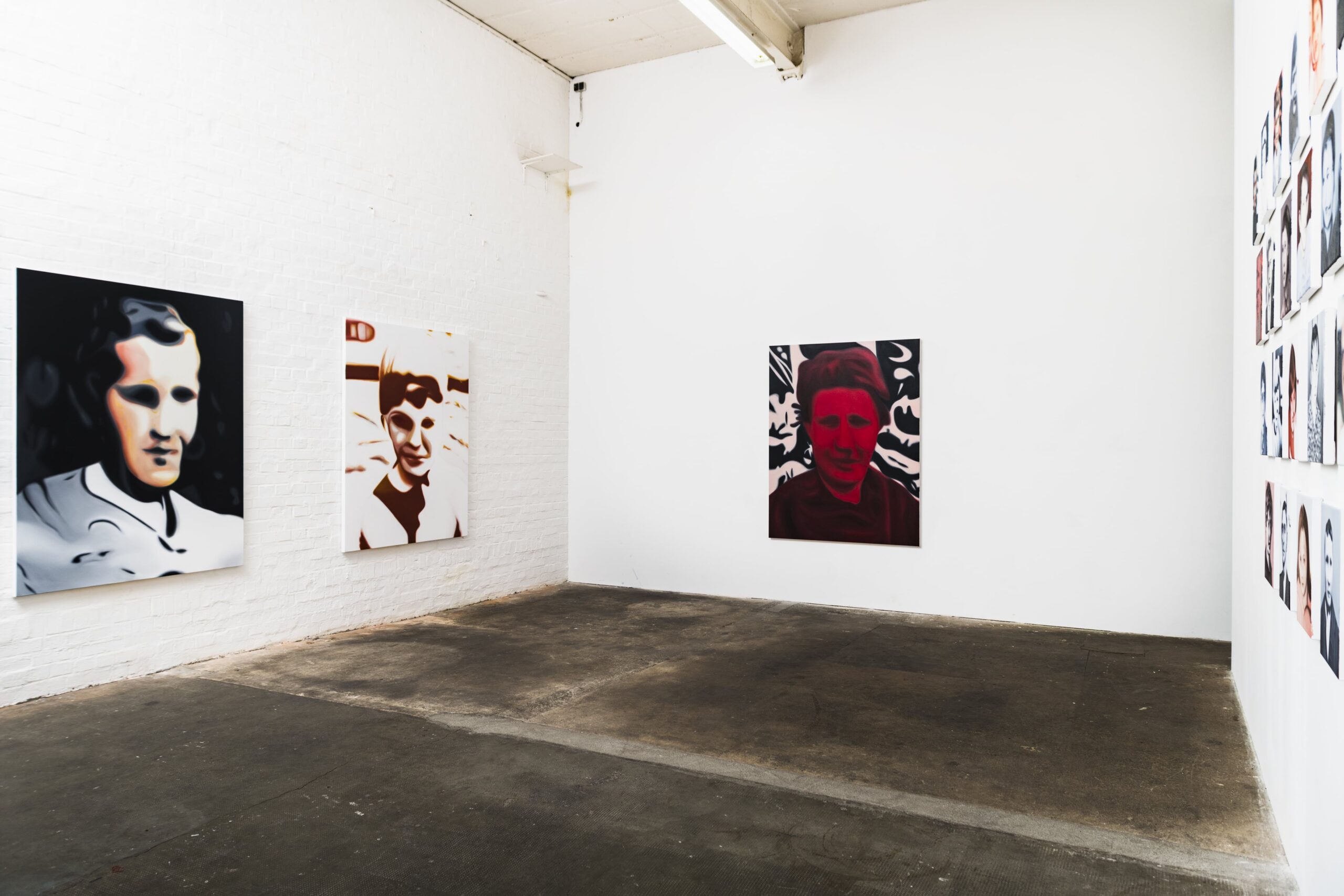
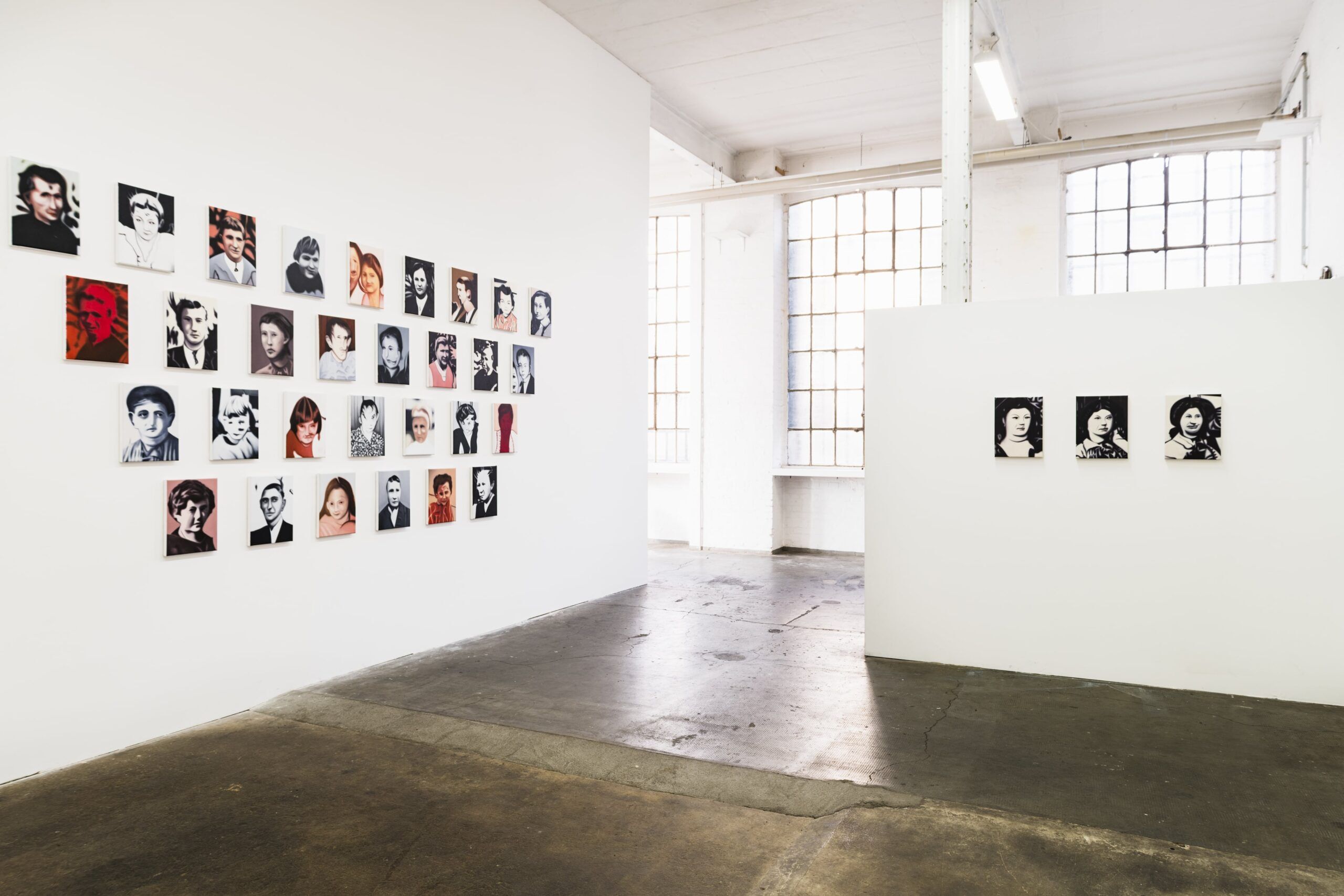
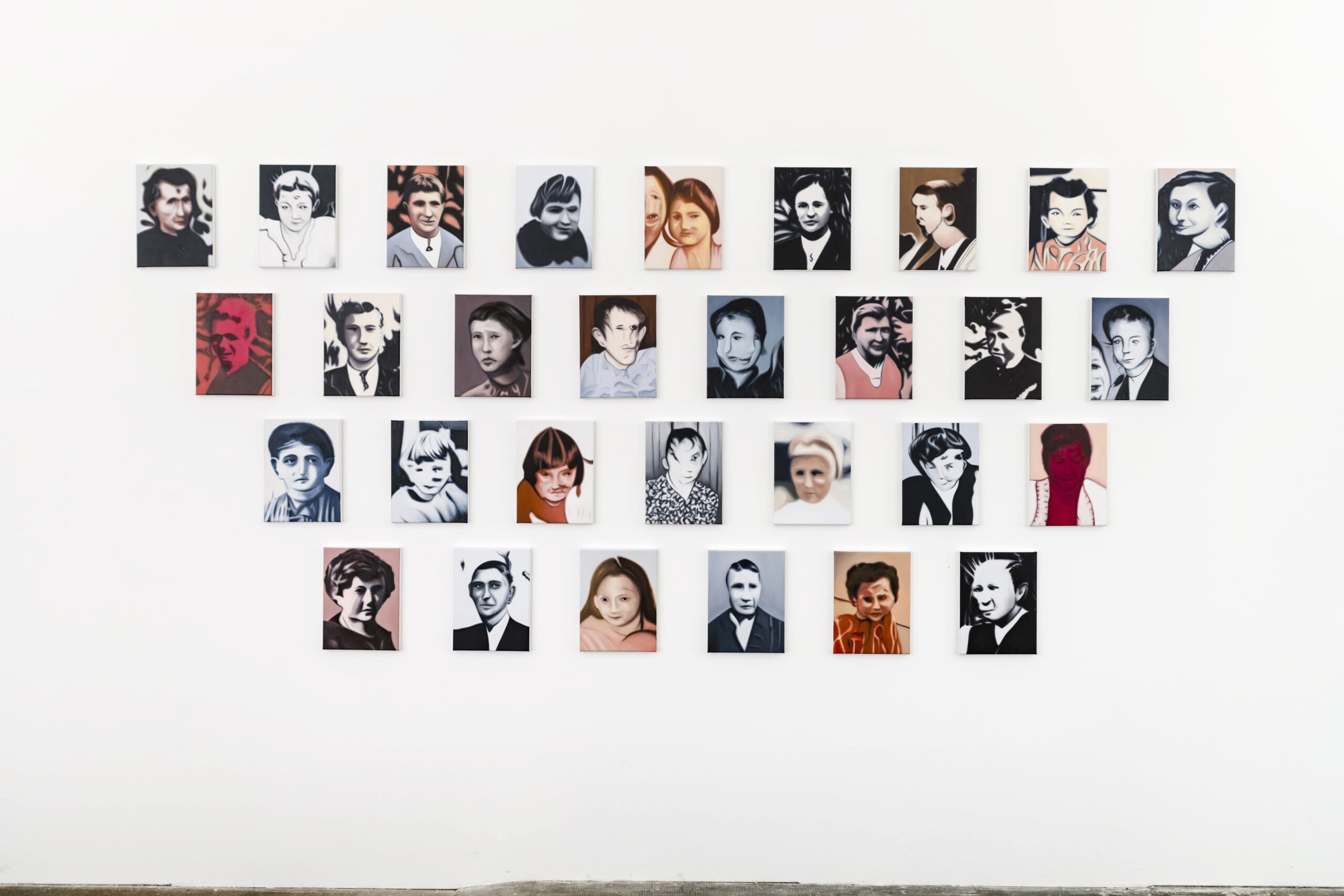
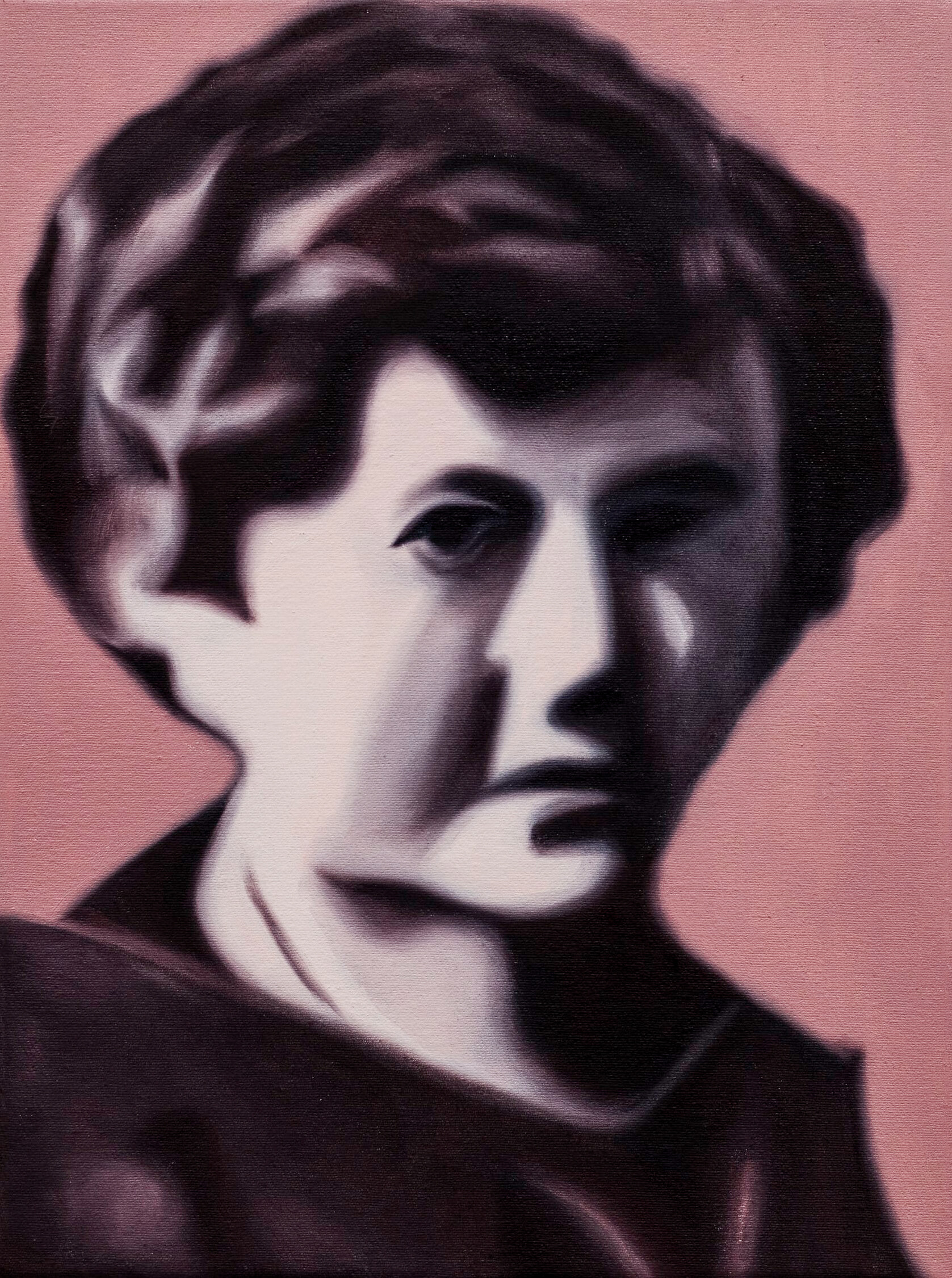
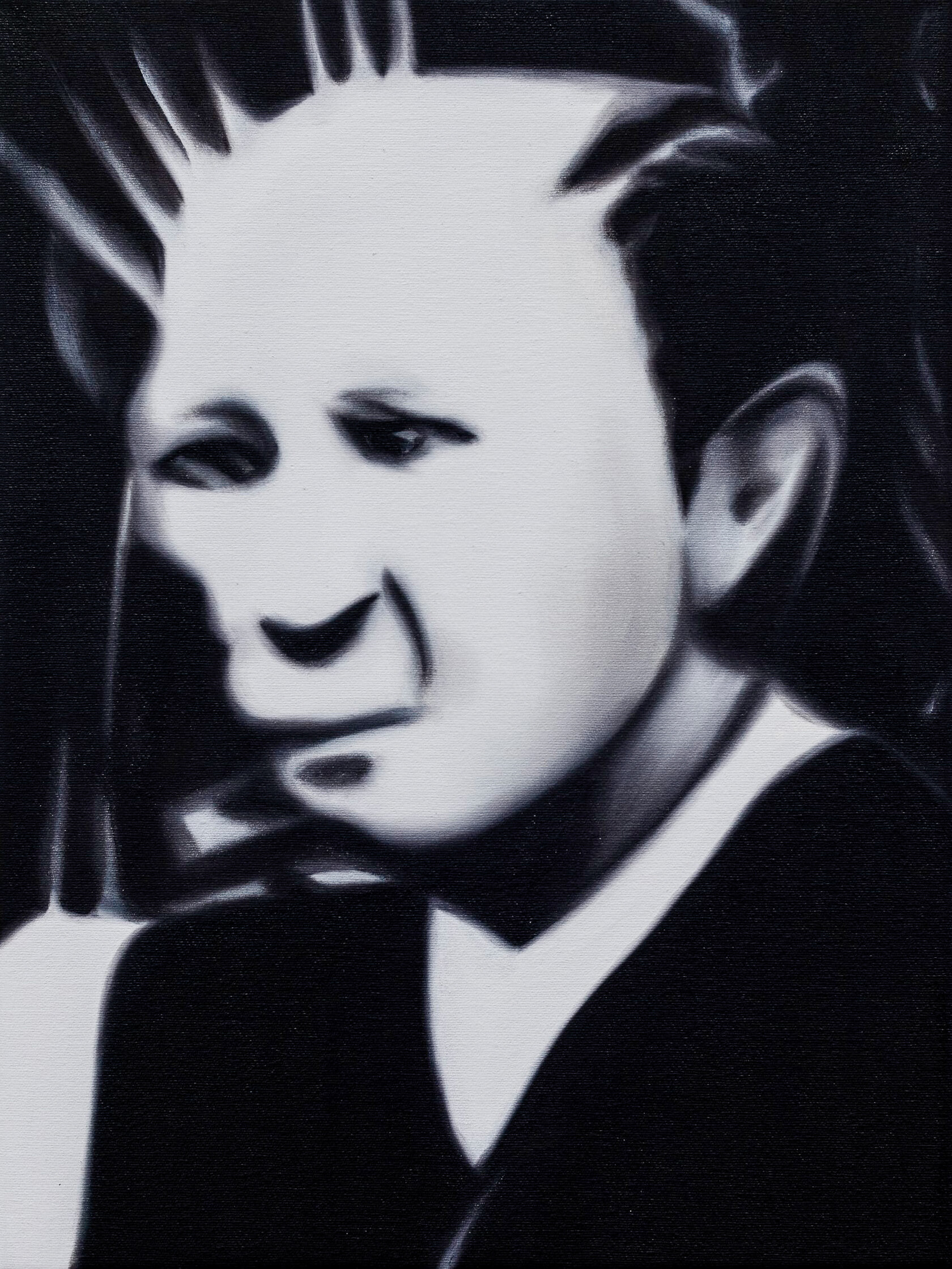
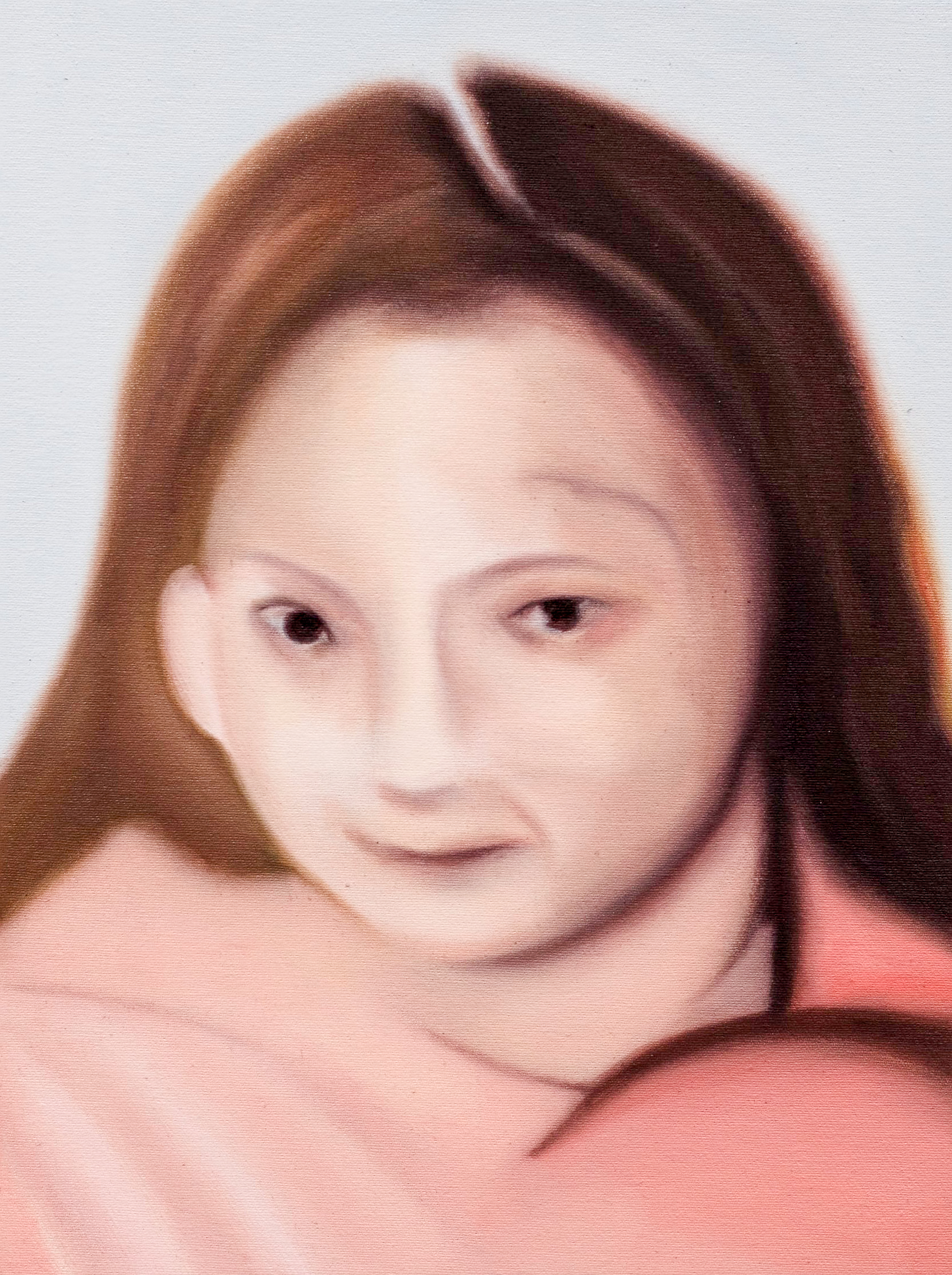
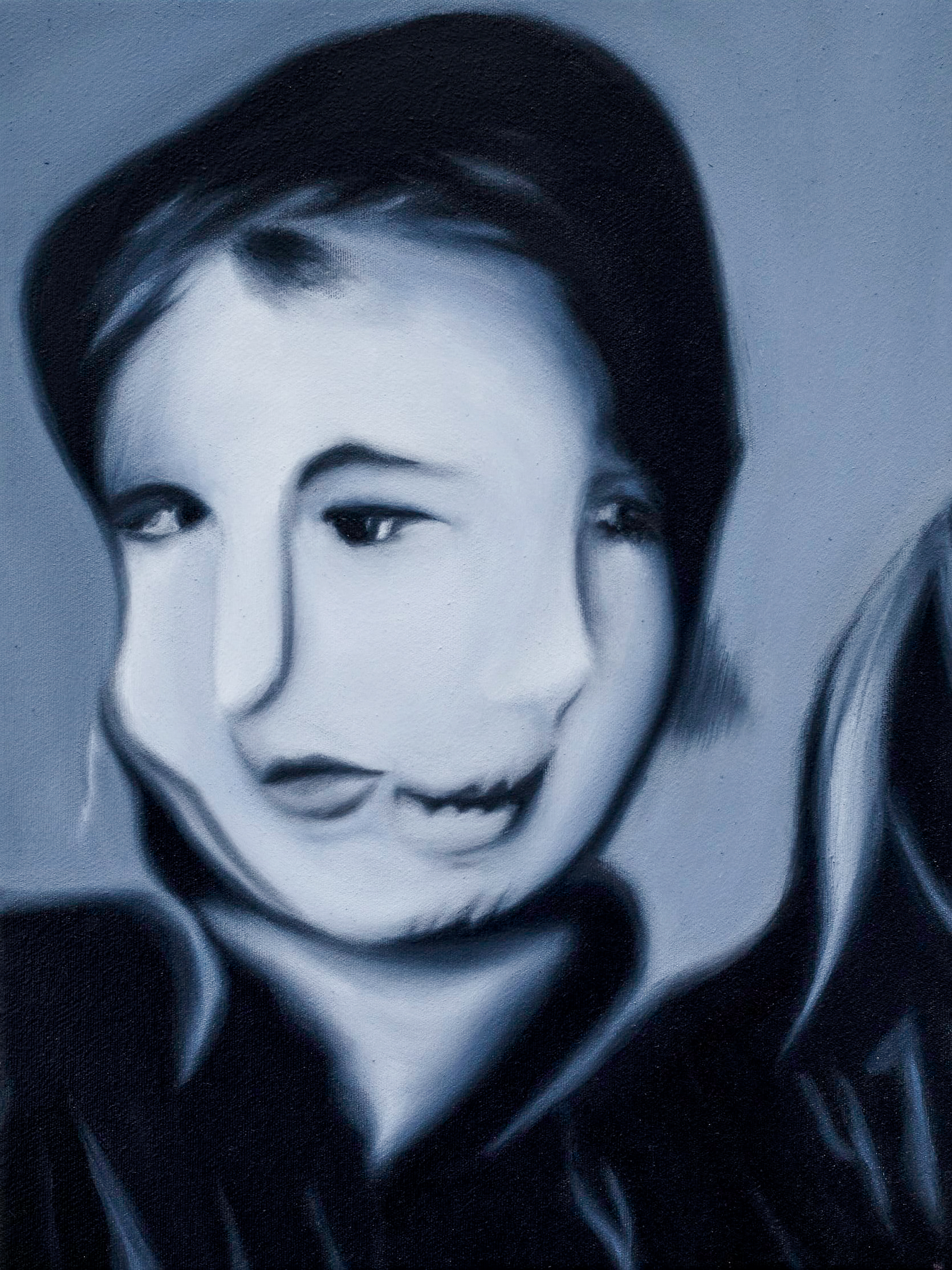
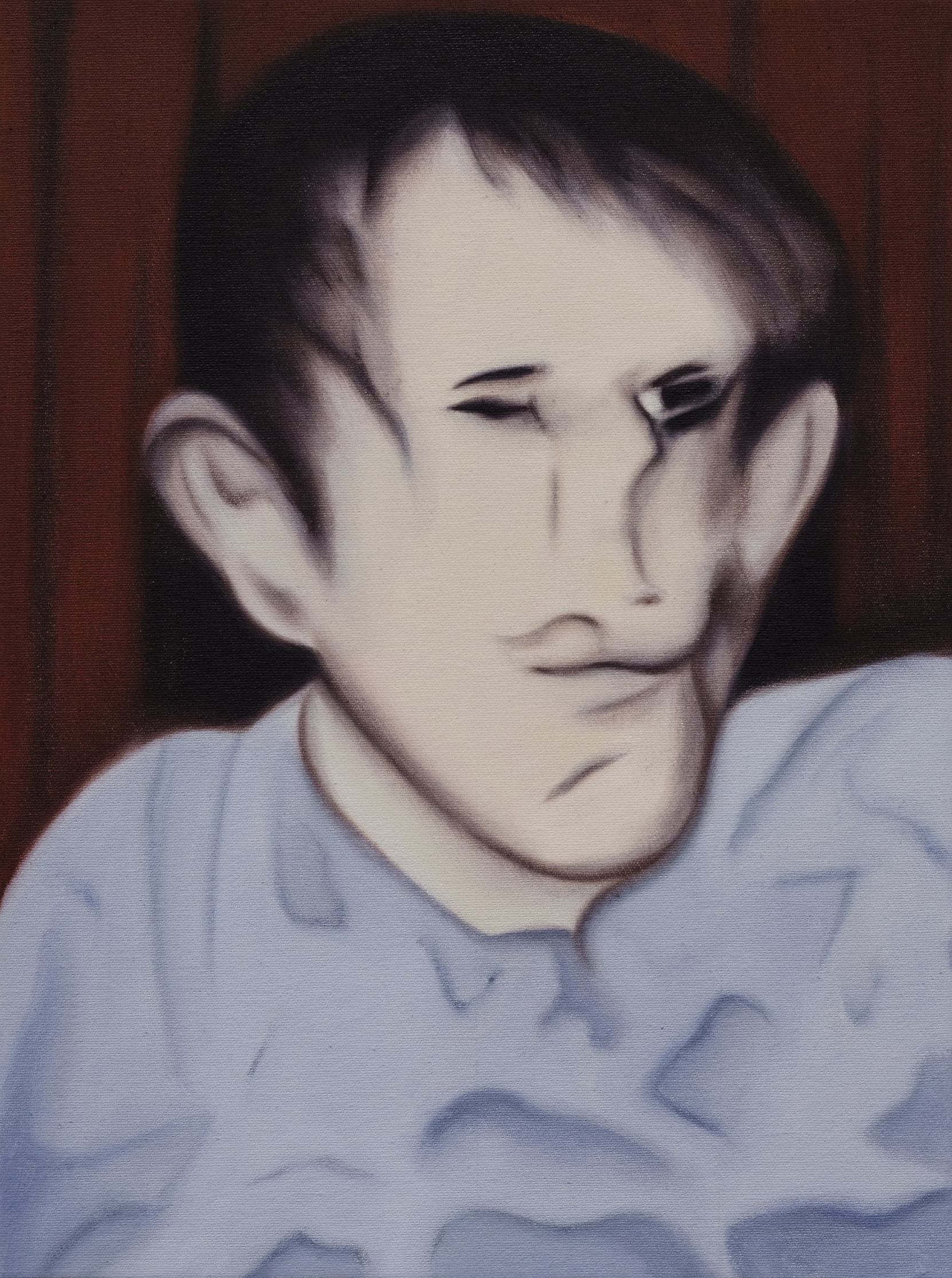
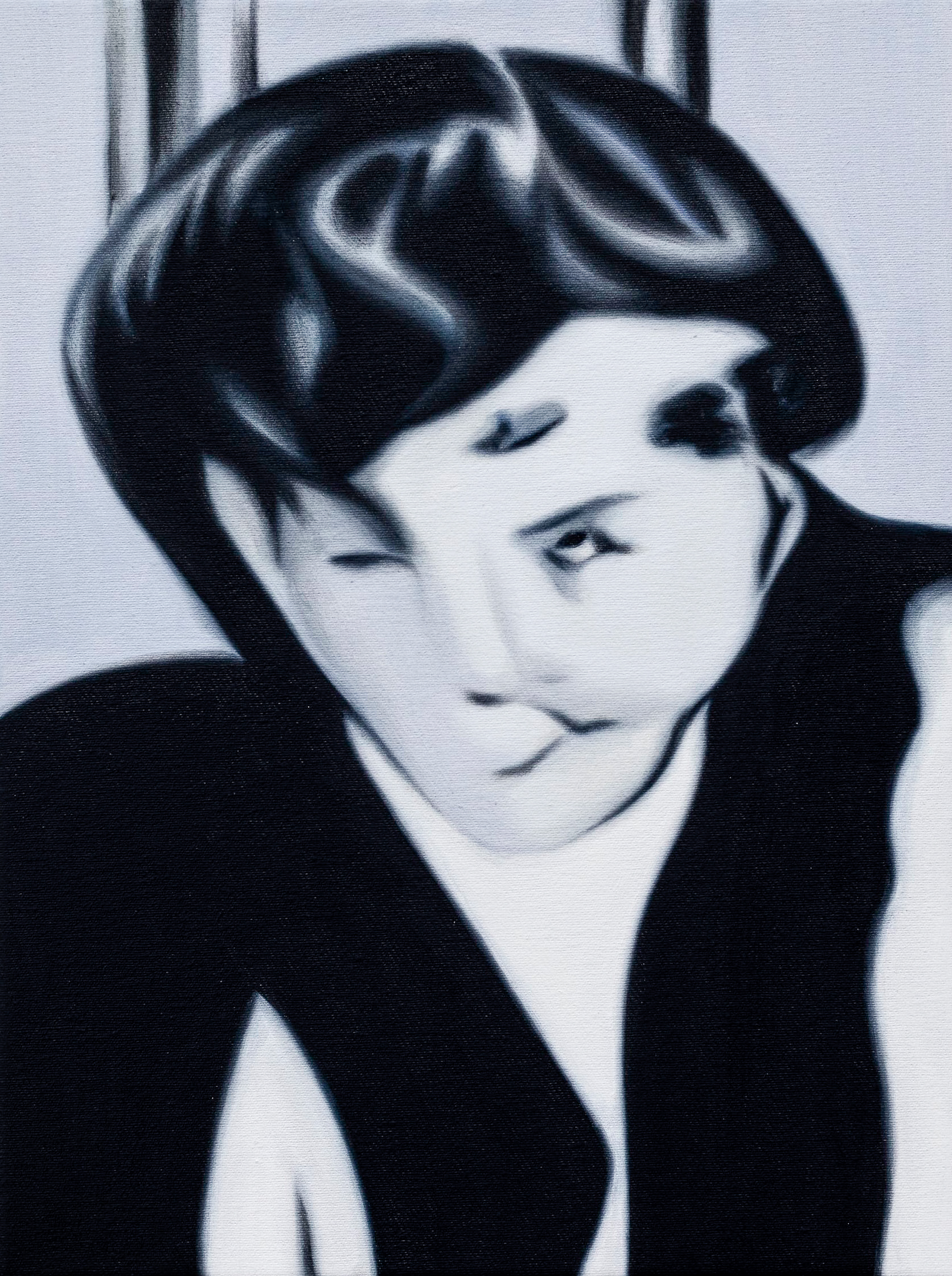
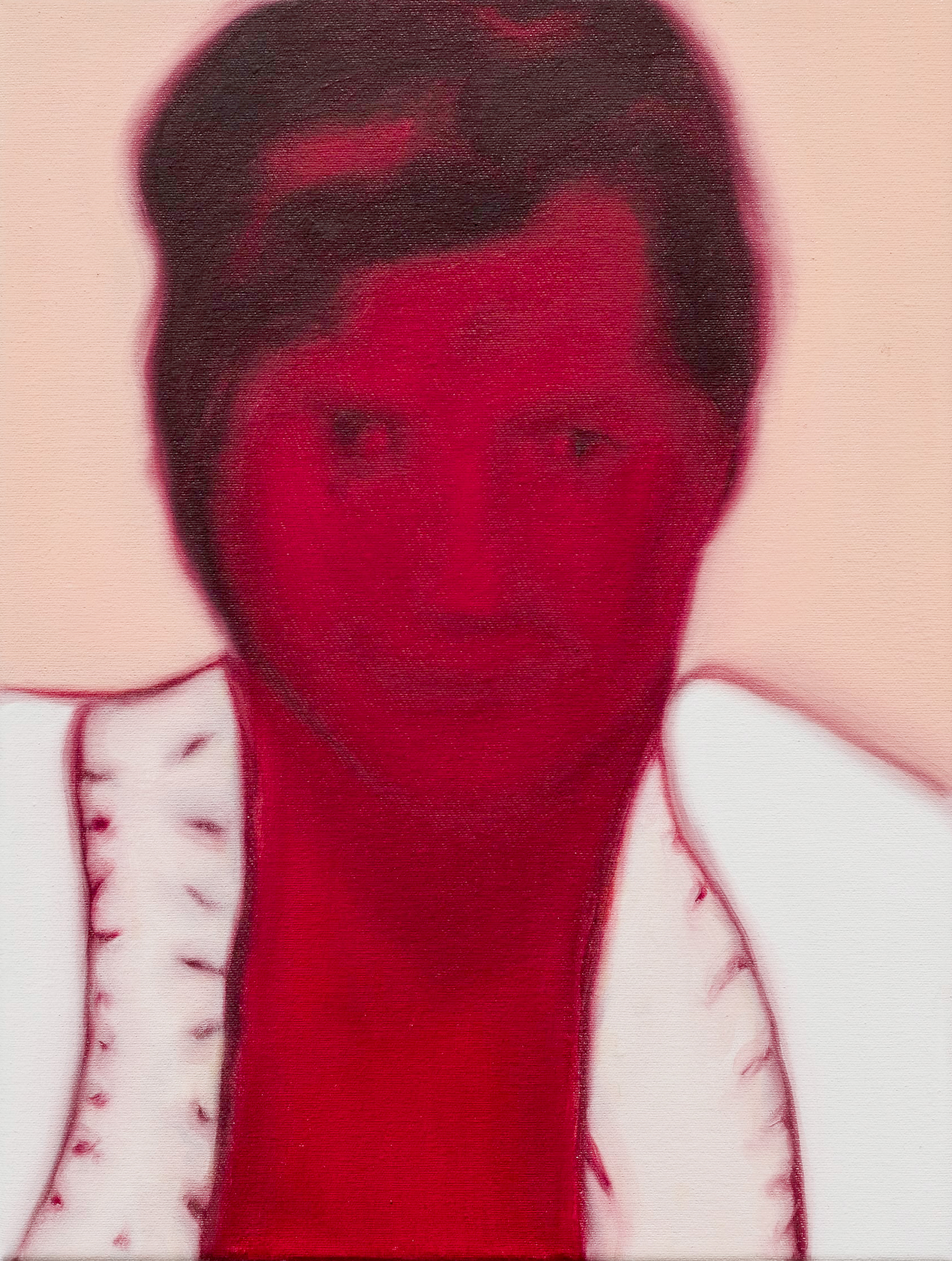
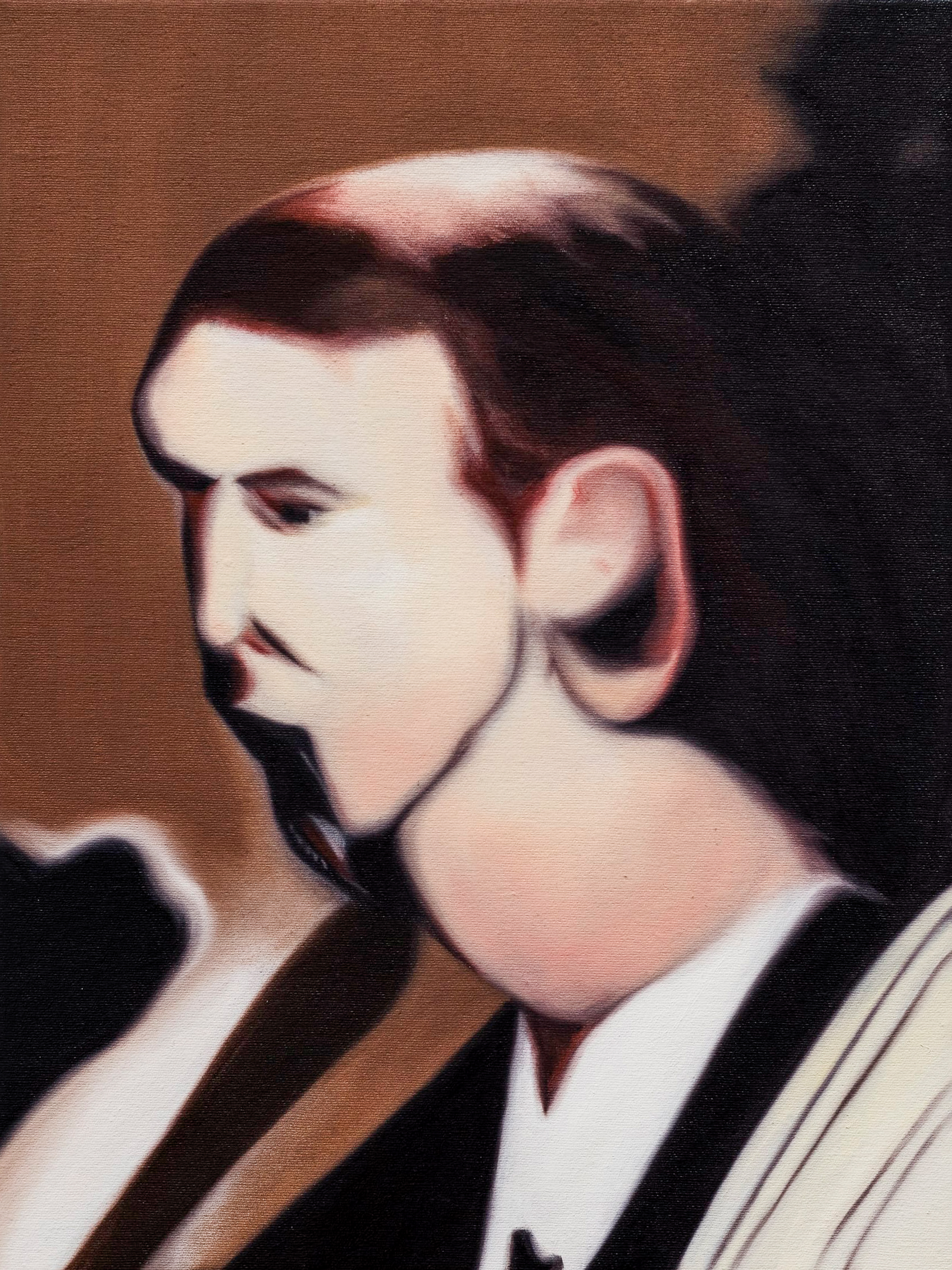
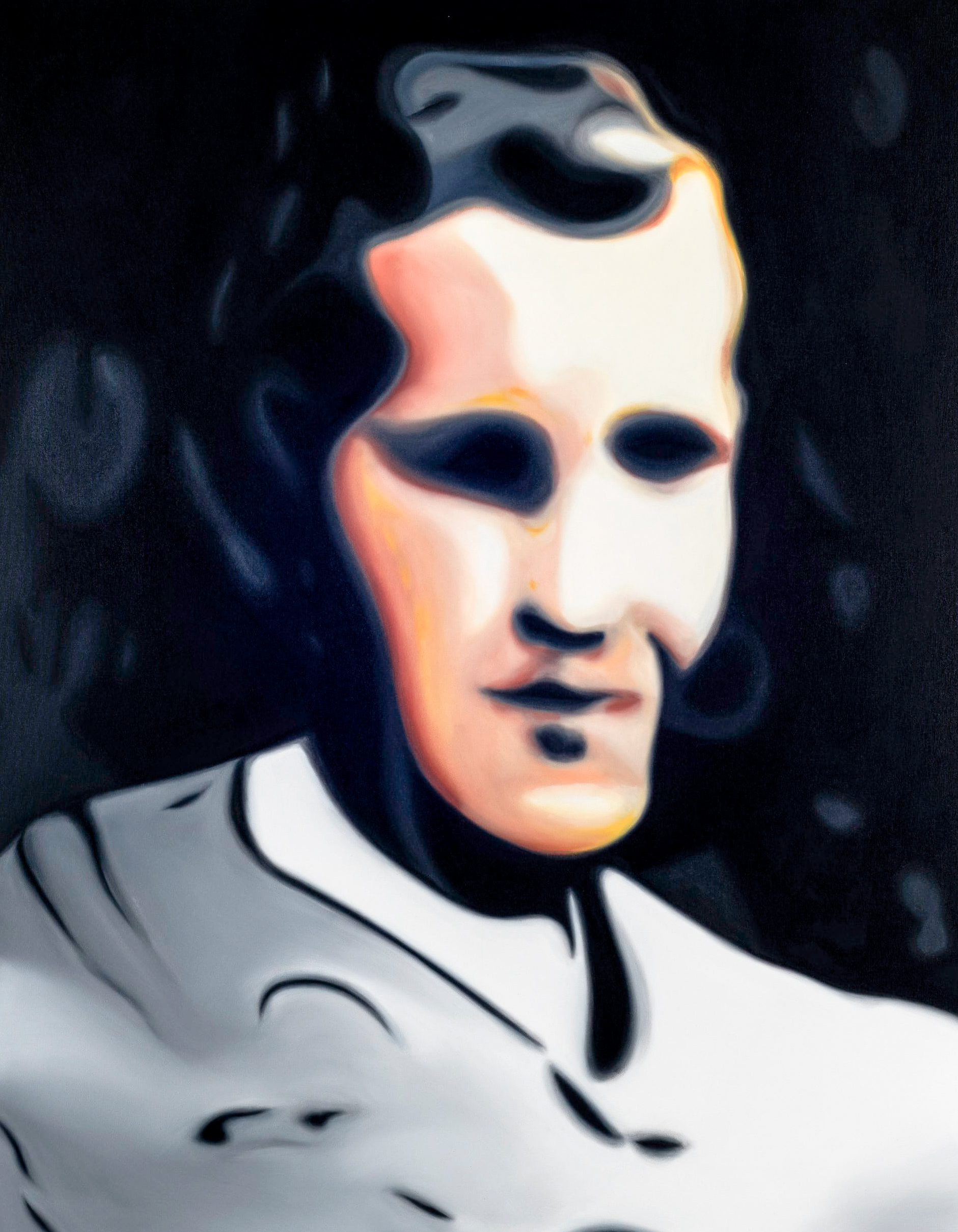
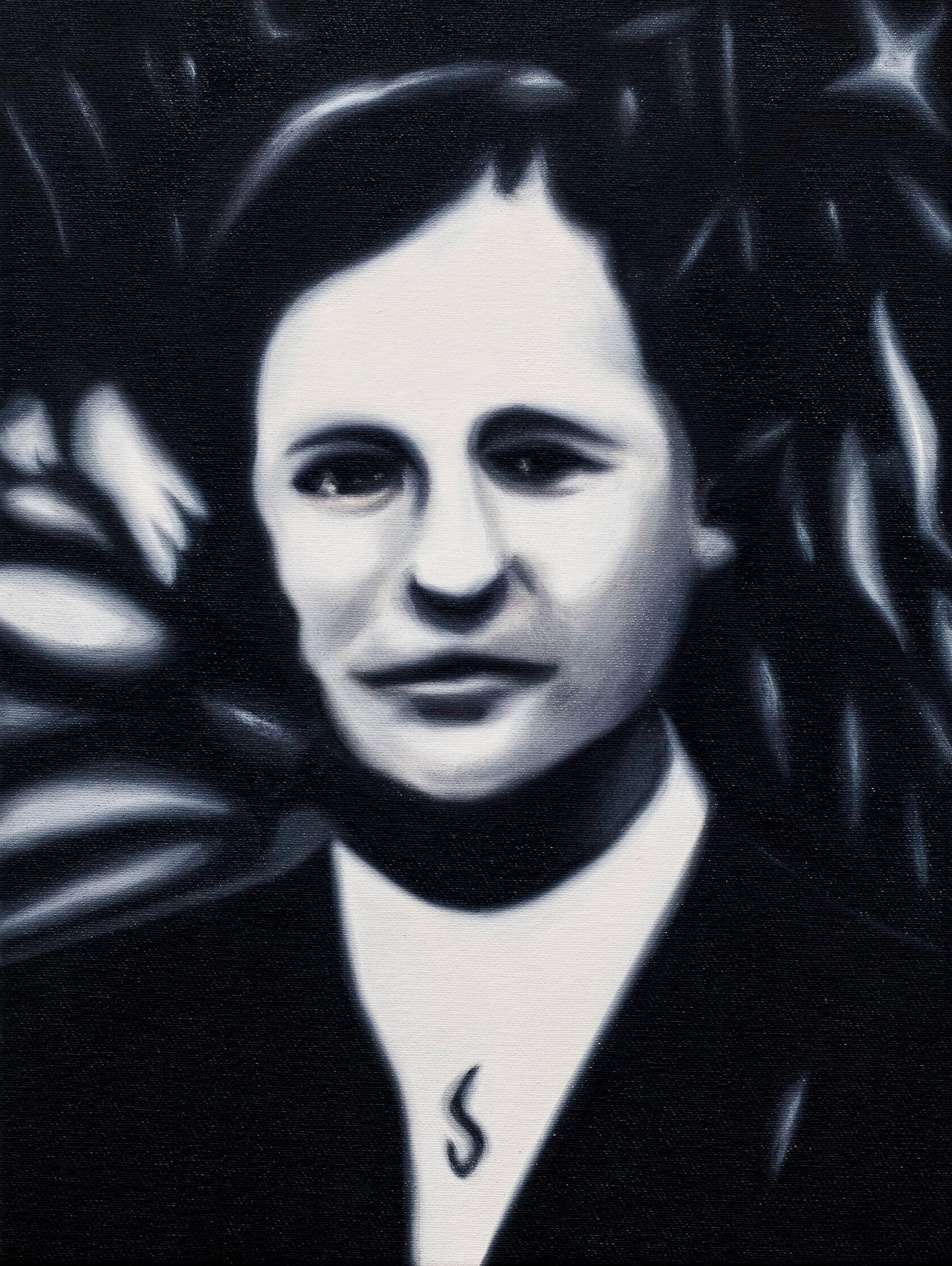
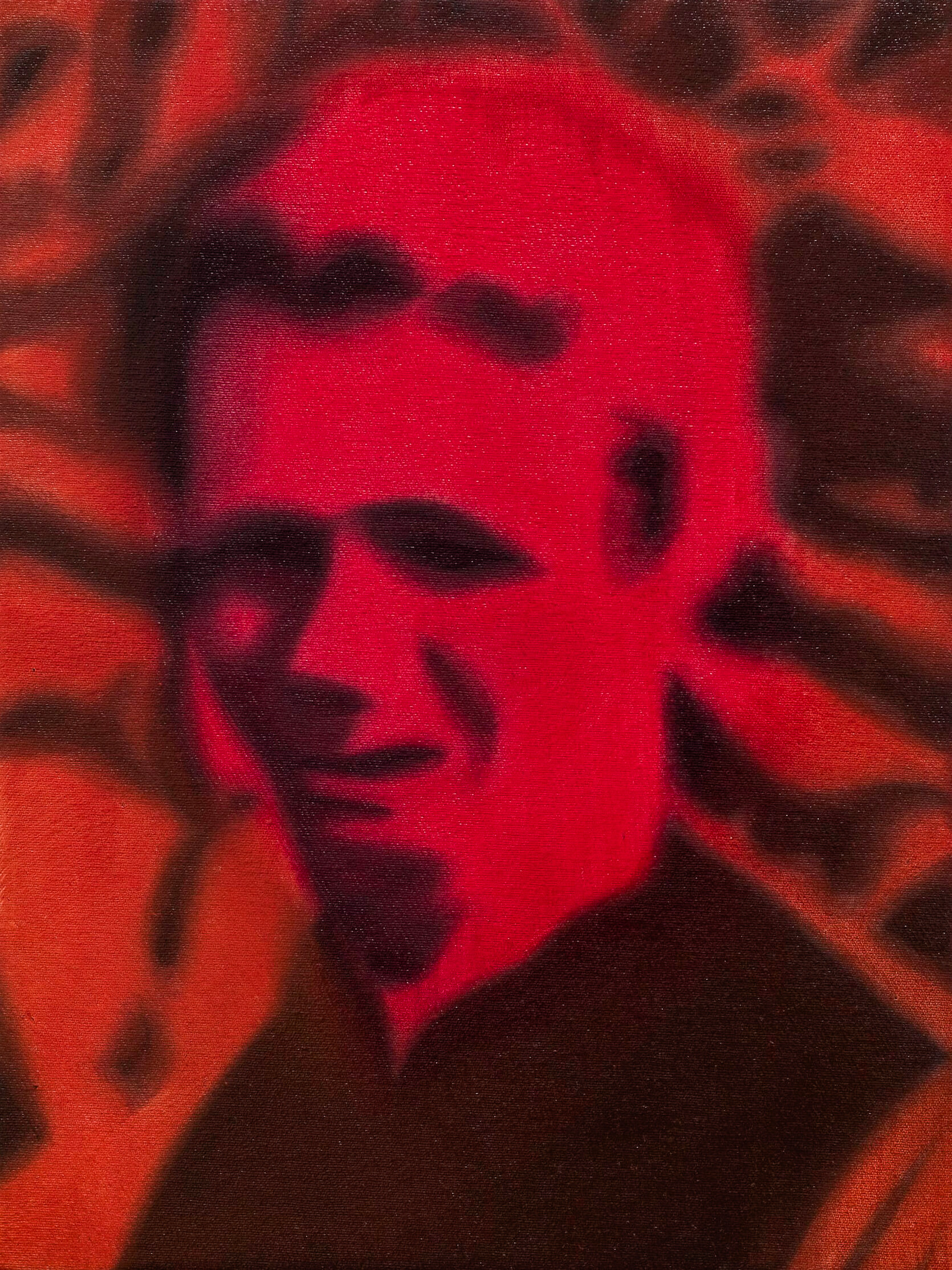
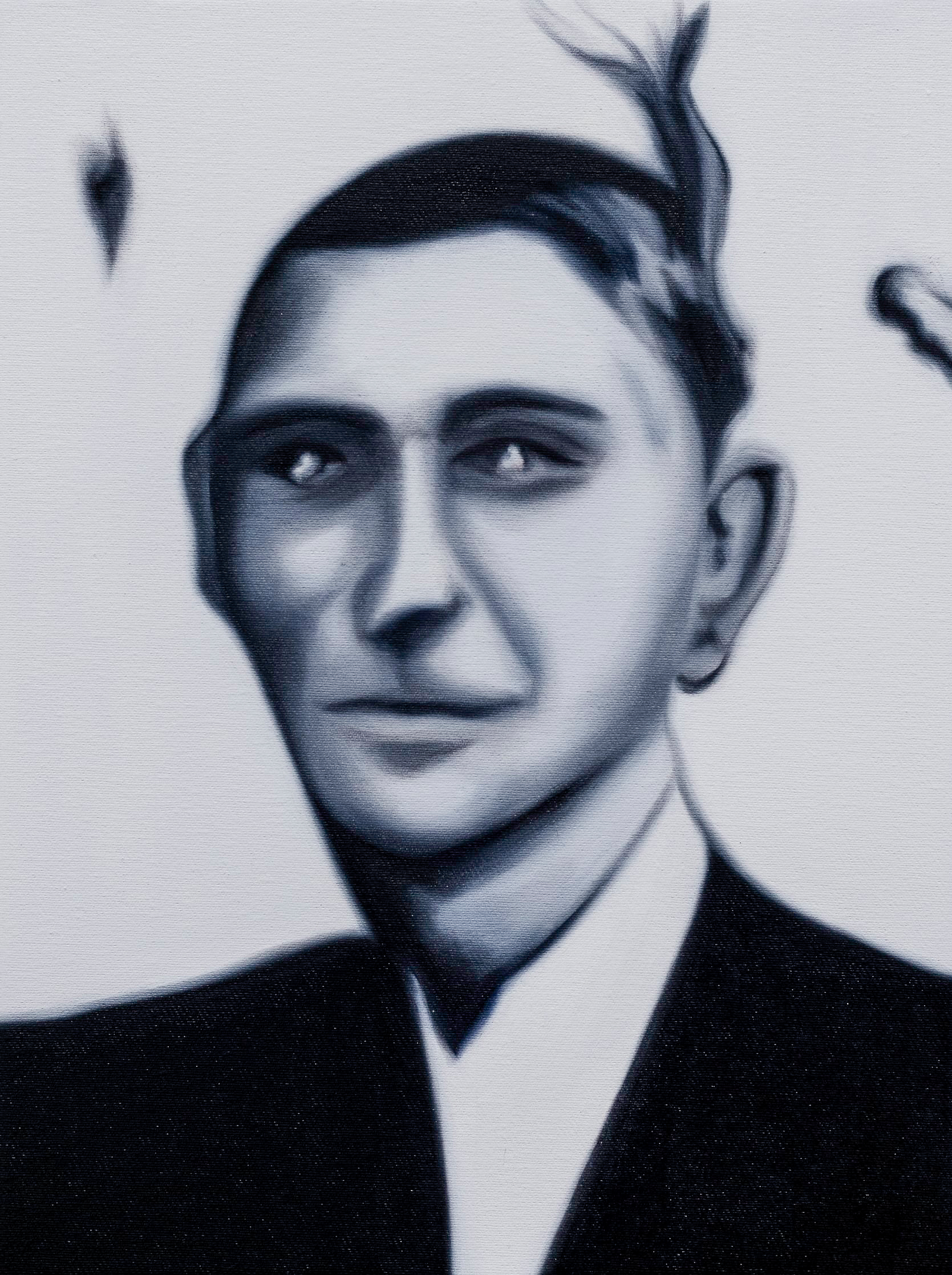
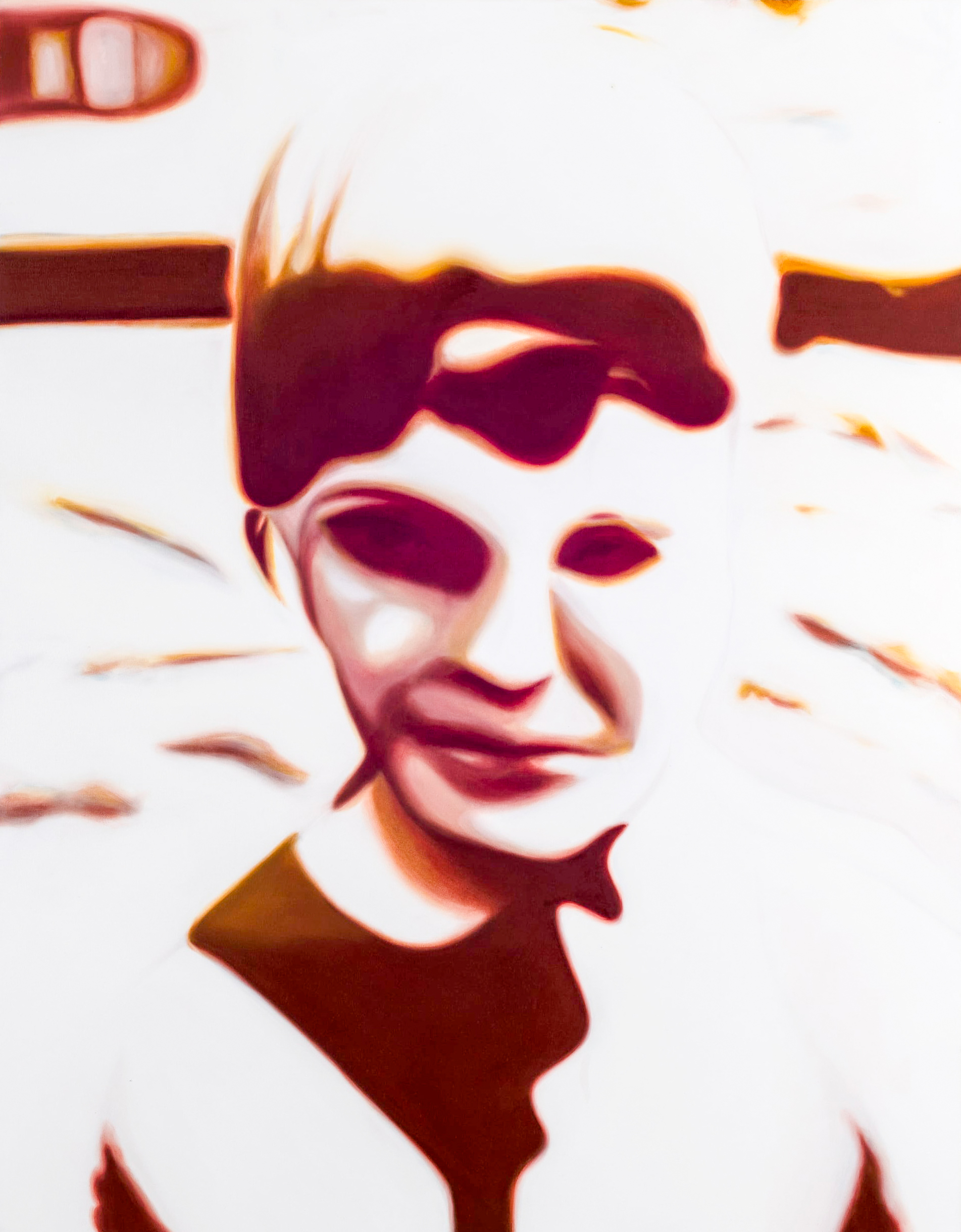
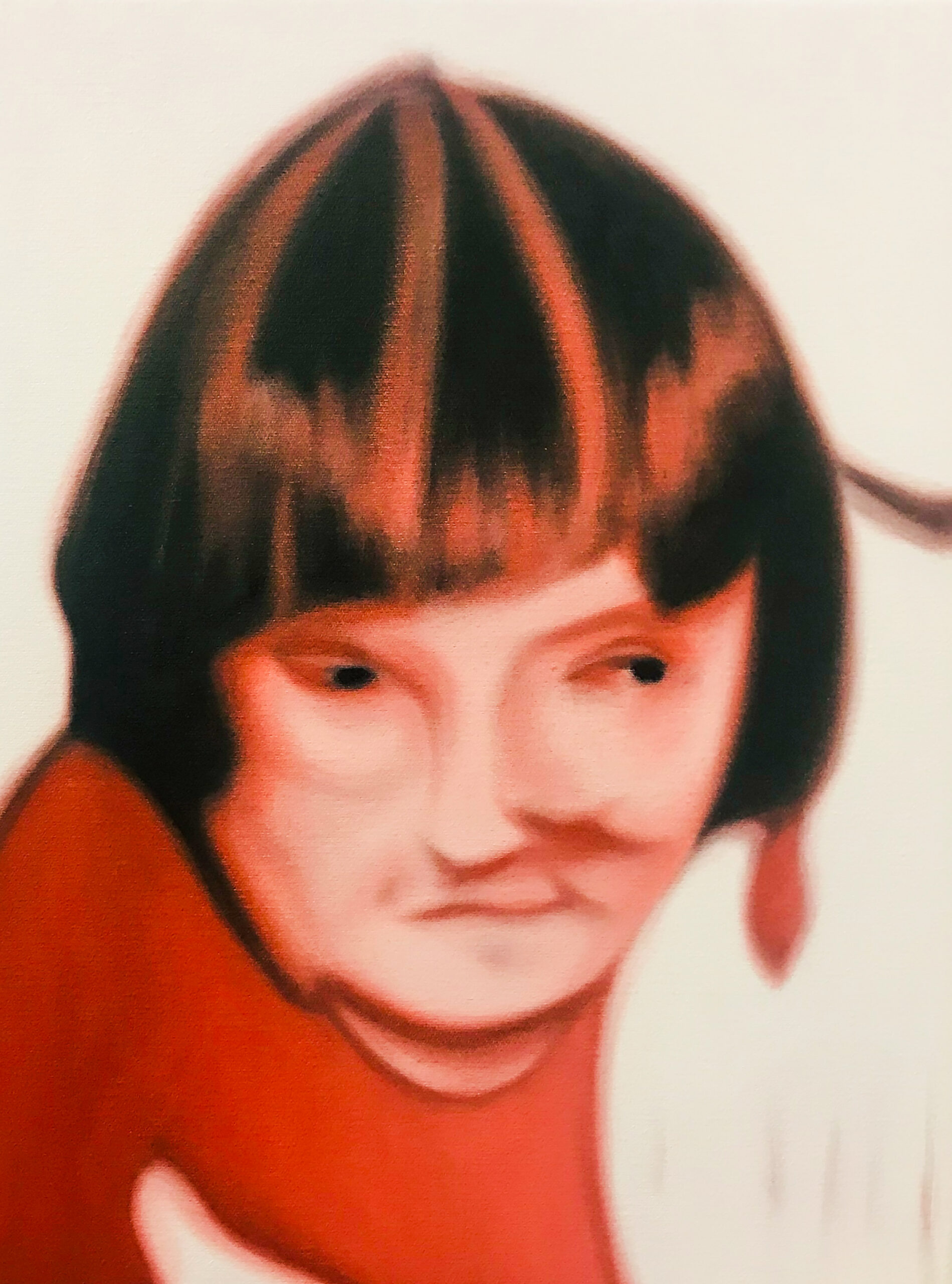
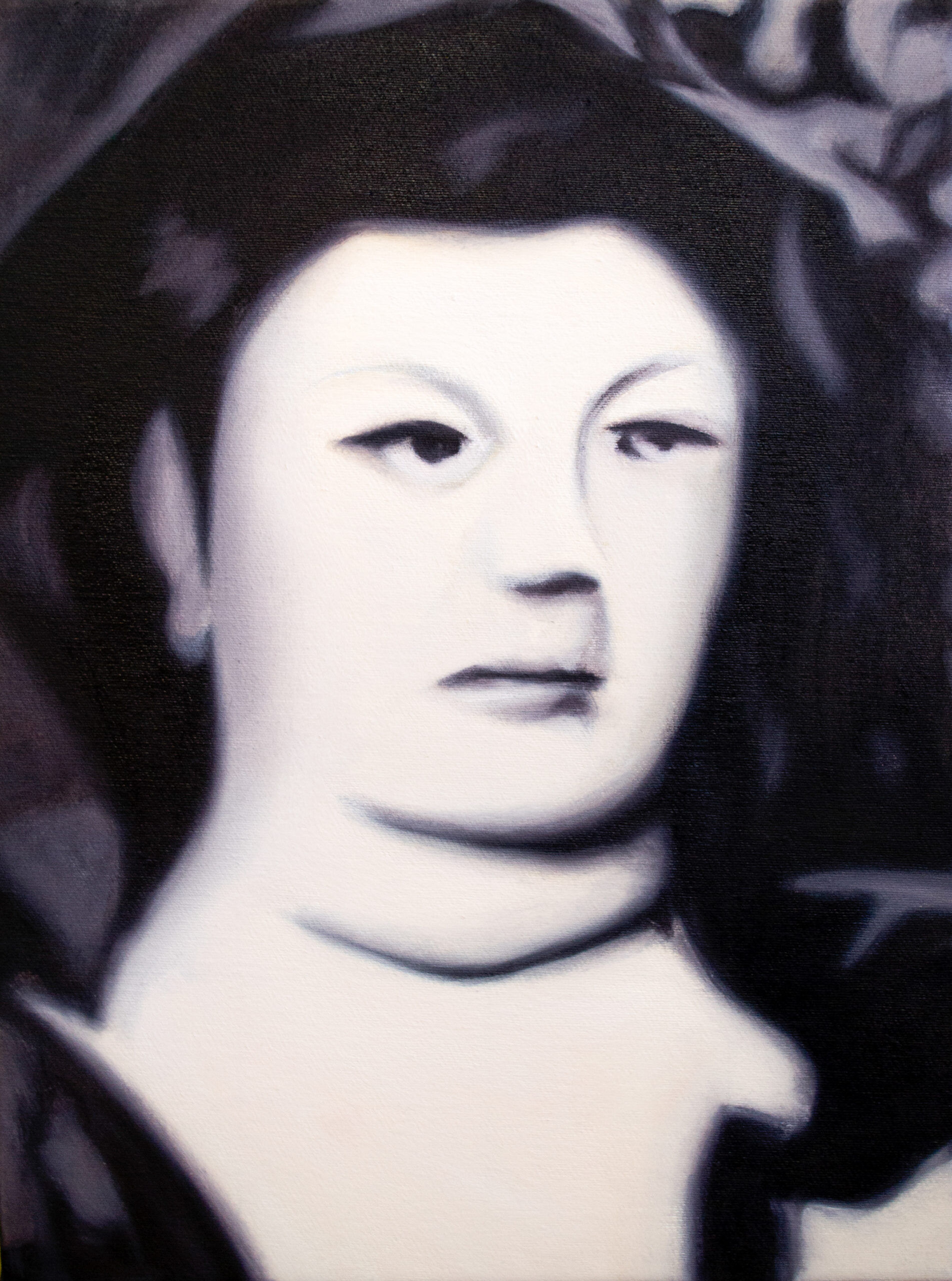
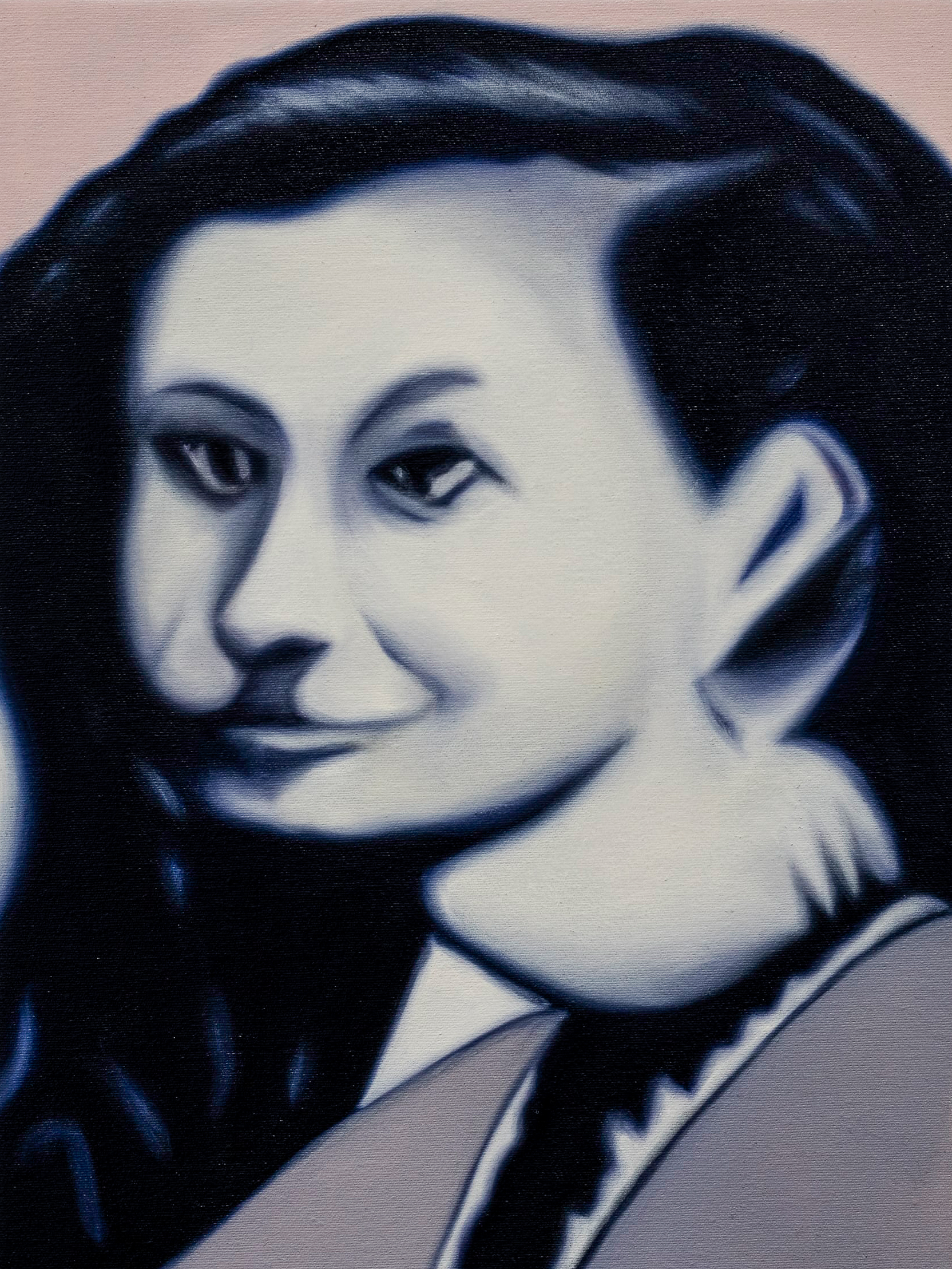
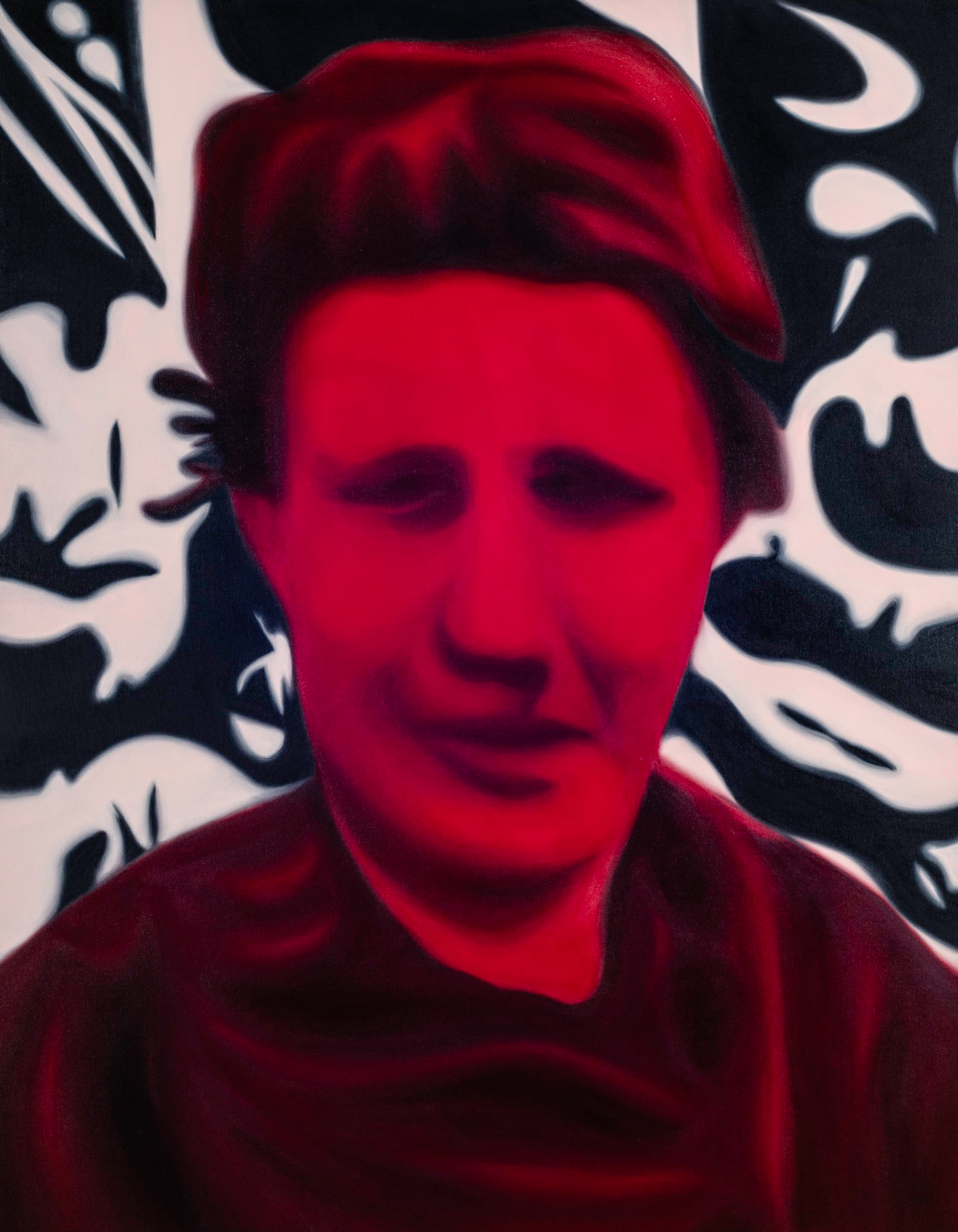
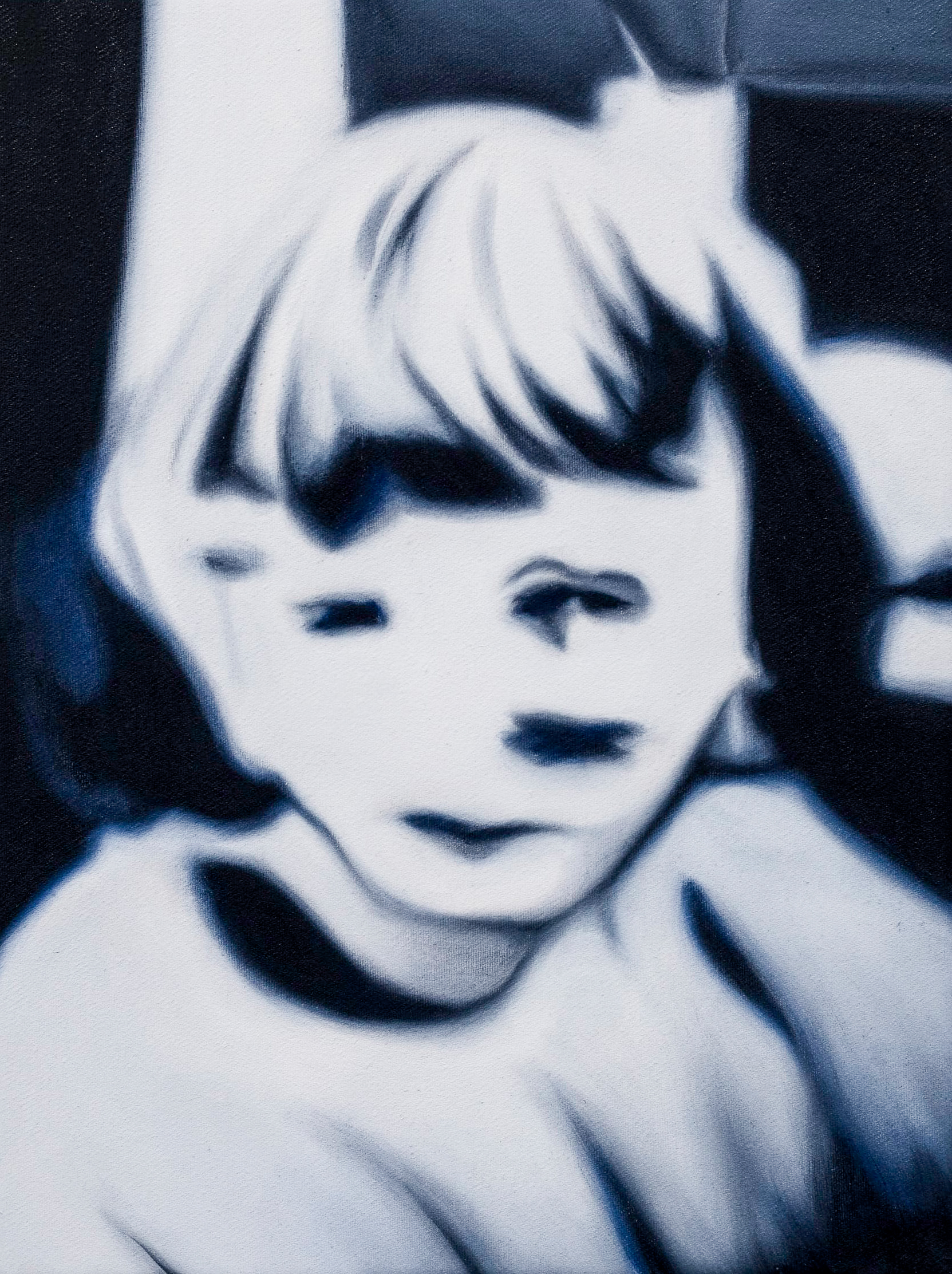
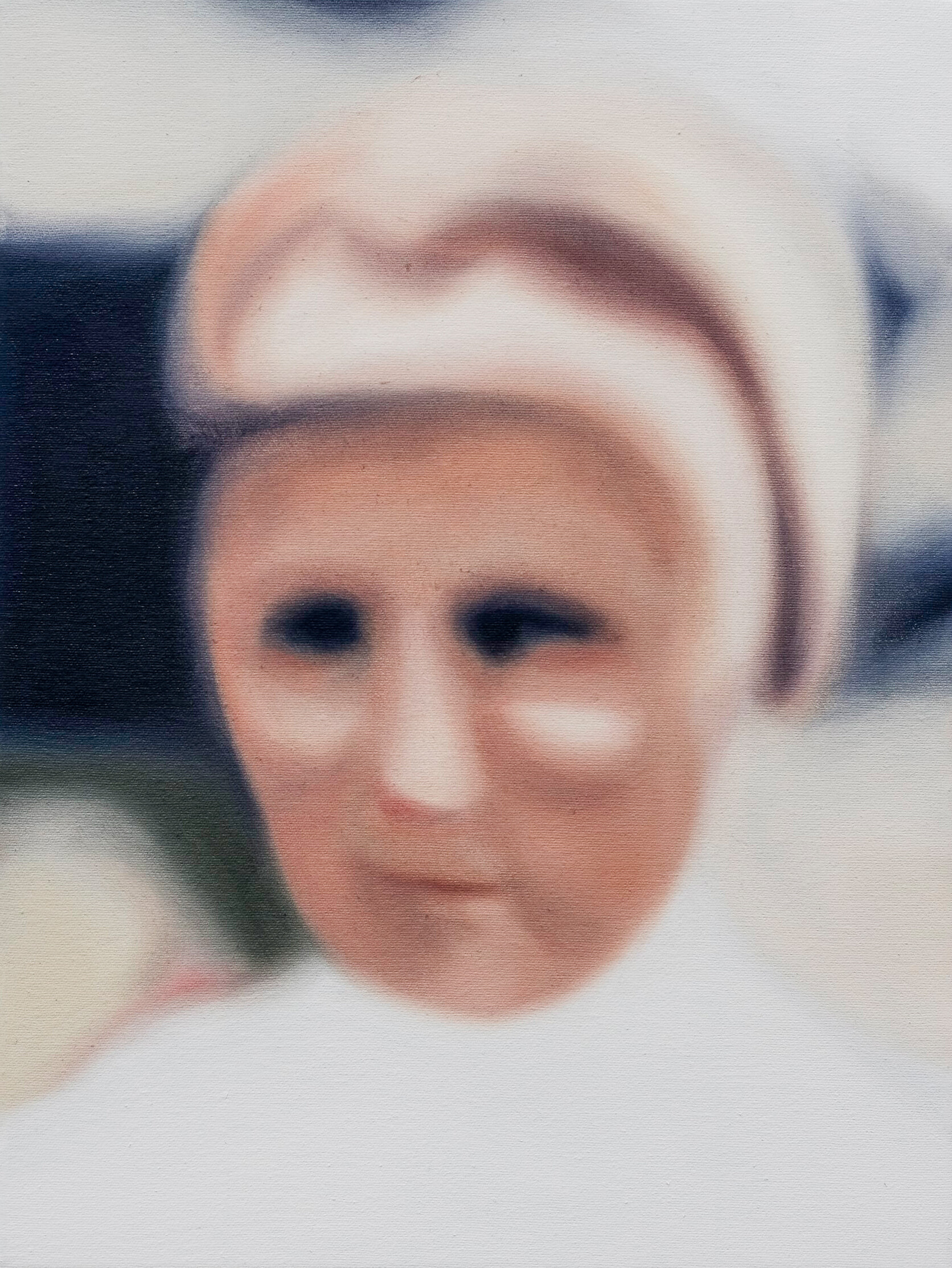
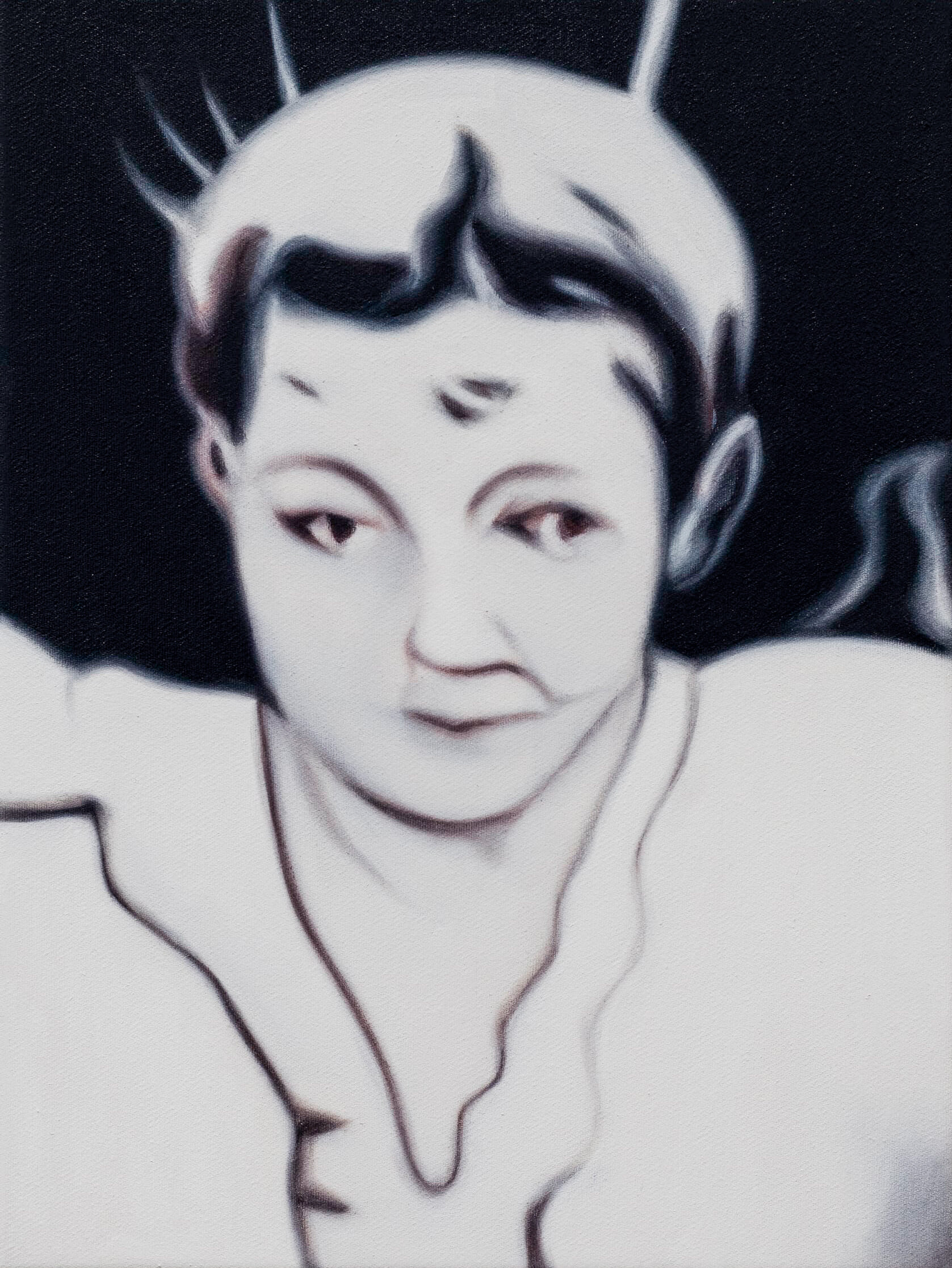
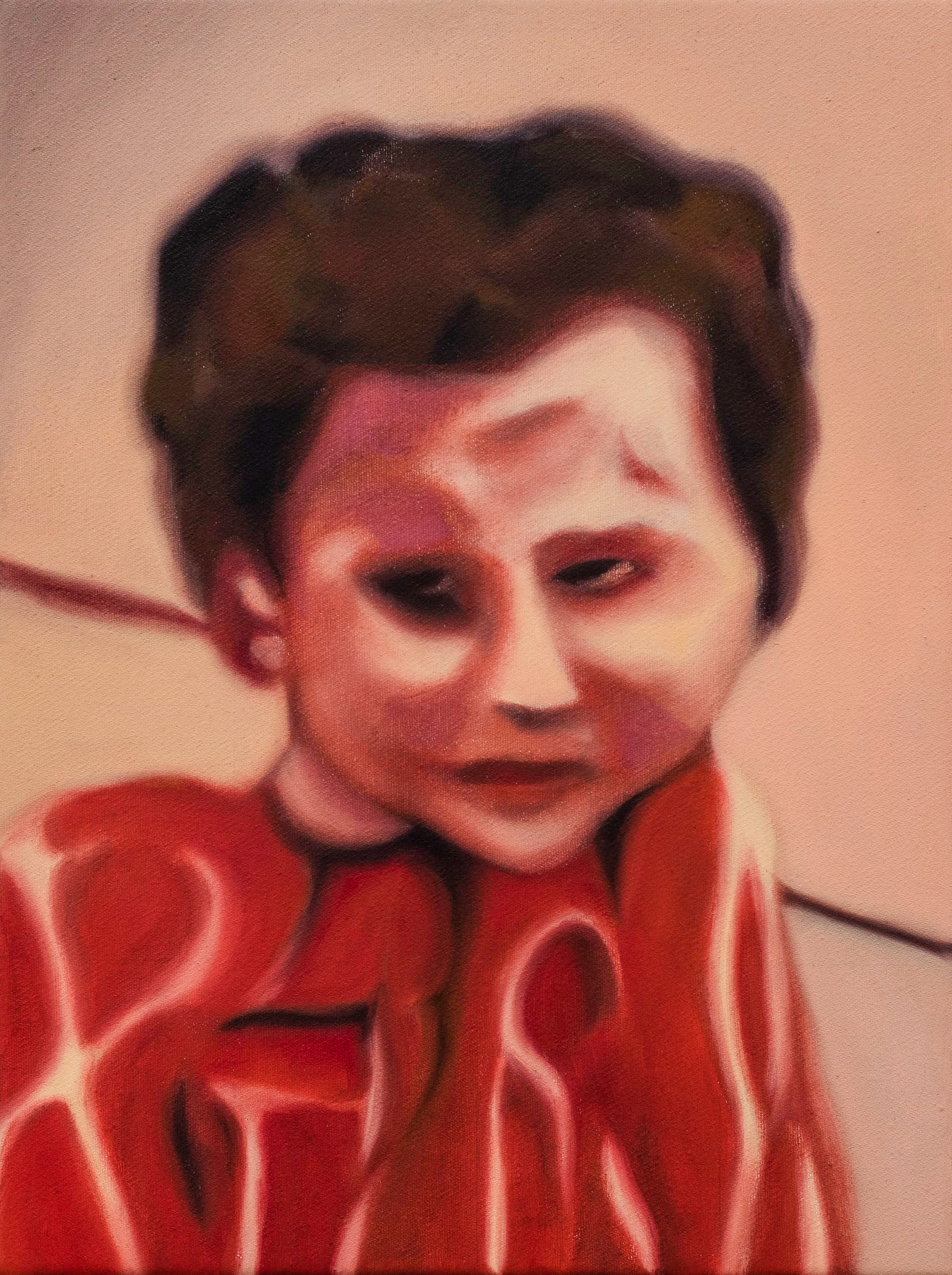
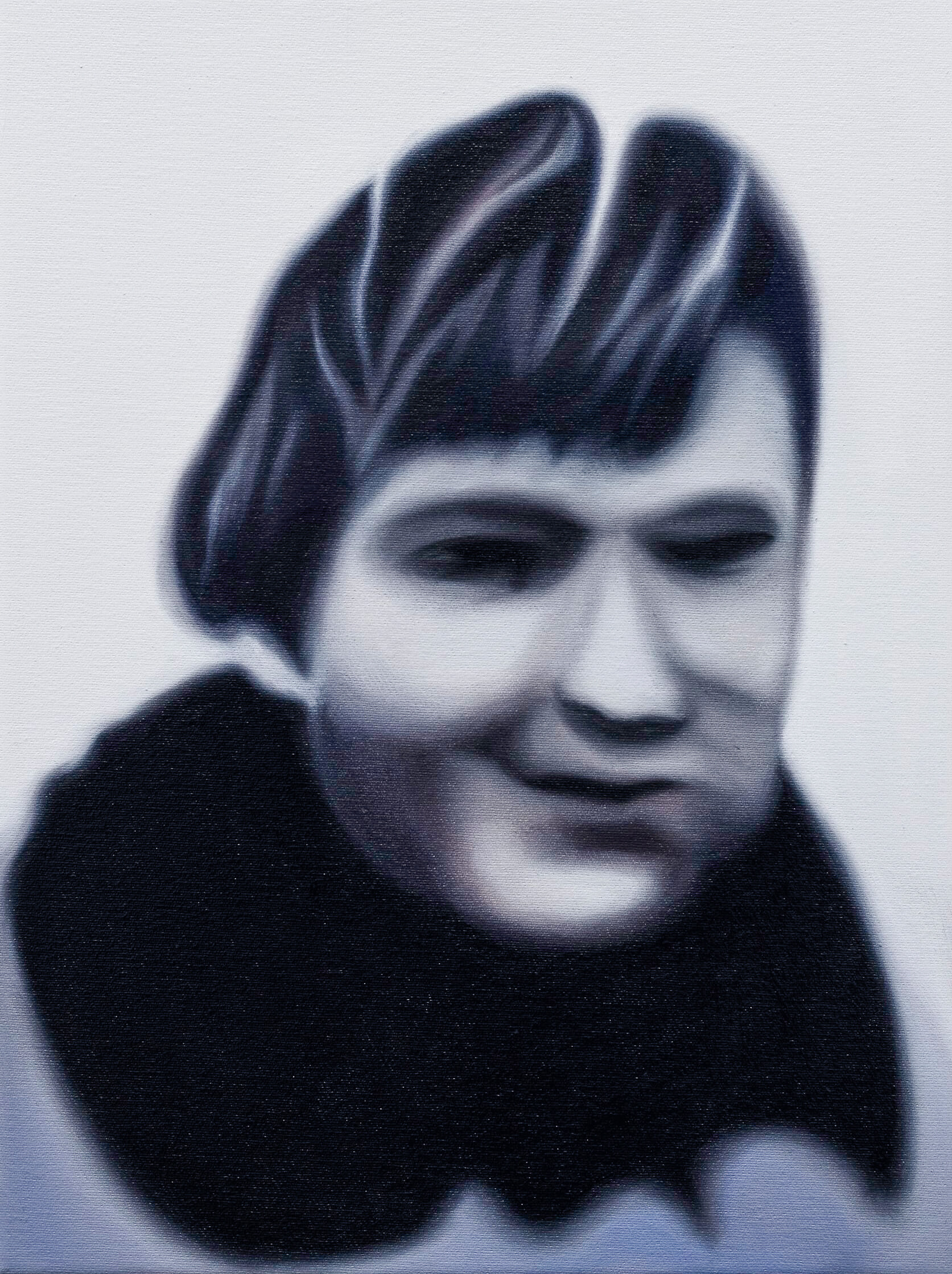
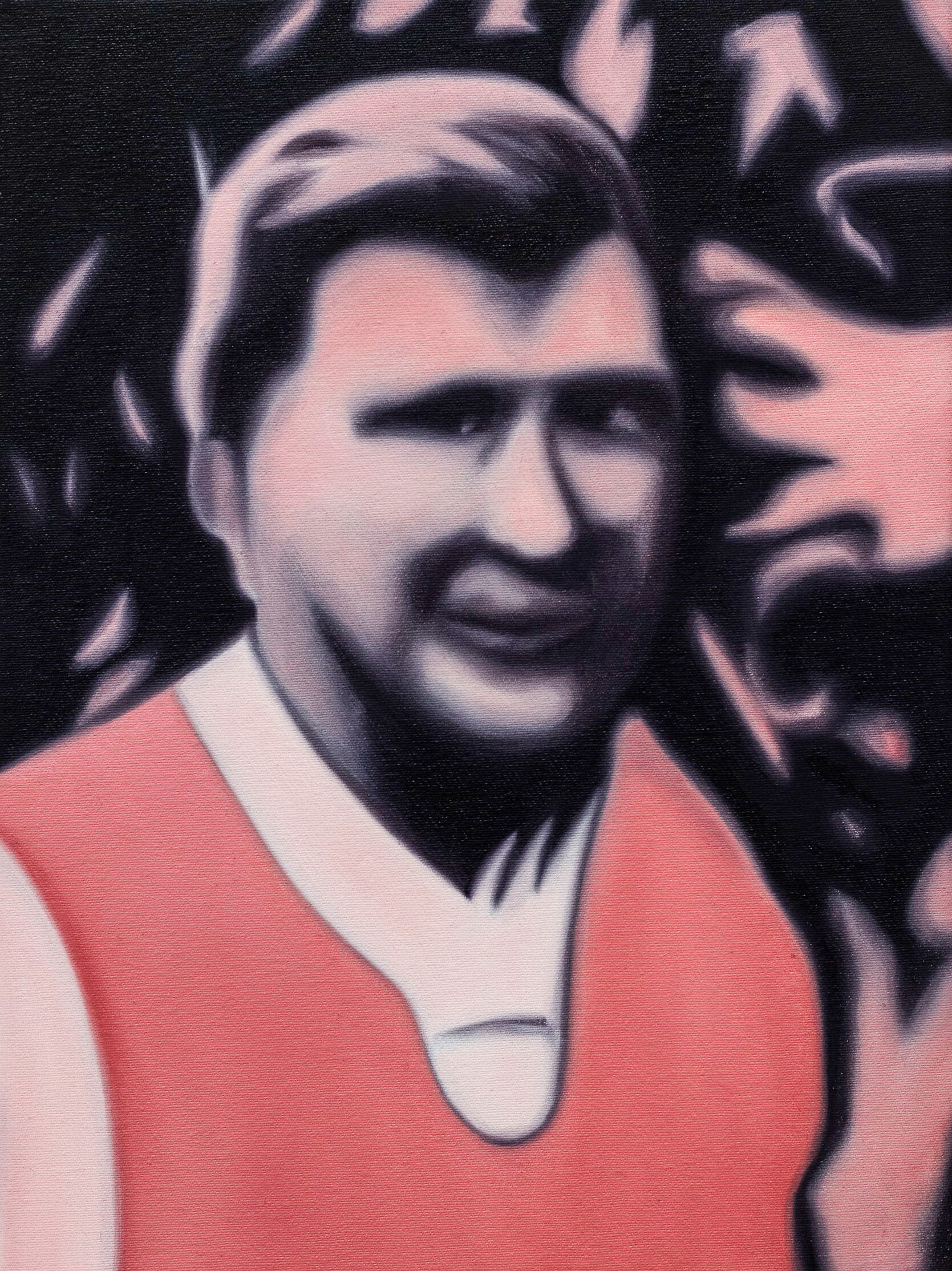
In DEEP FAMILY, I explore memory, family history and identity through the use of artificial intelligence. In collaboration with designer Casper Schipper, a neural network is trained based on my personal archive of family photographs.
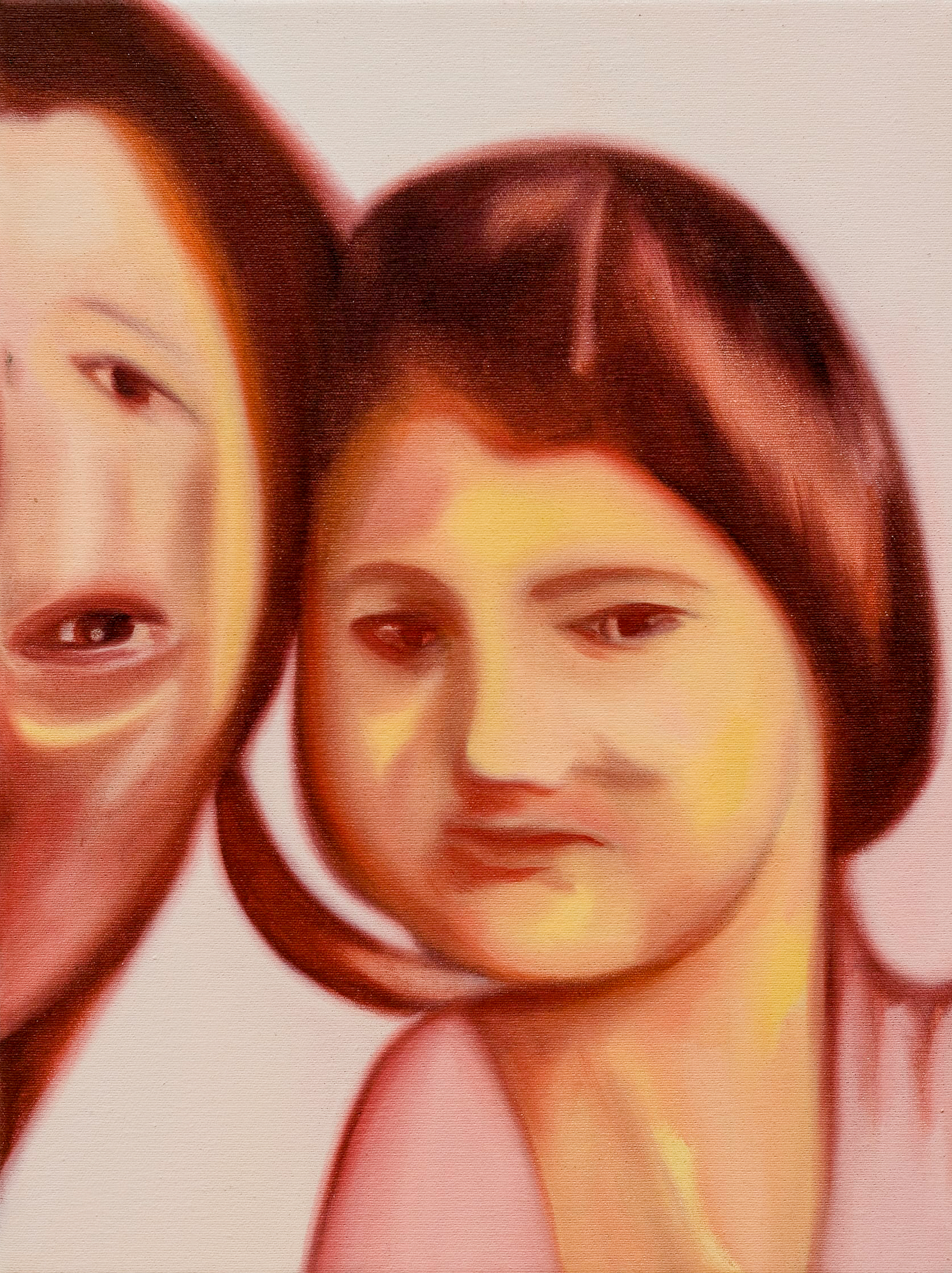
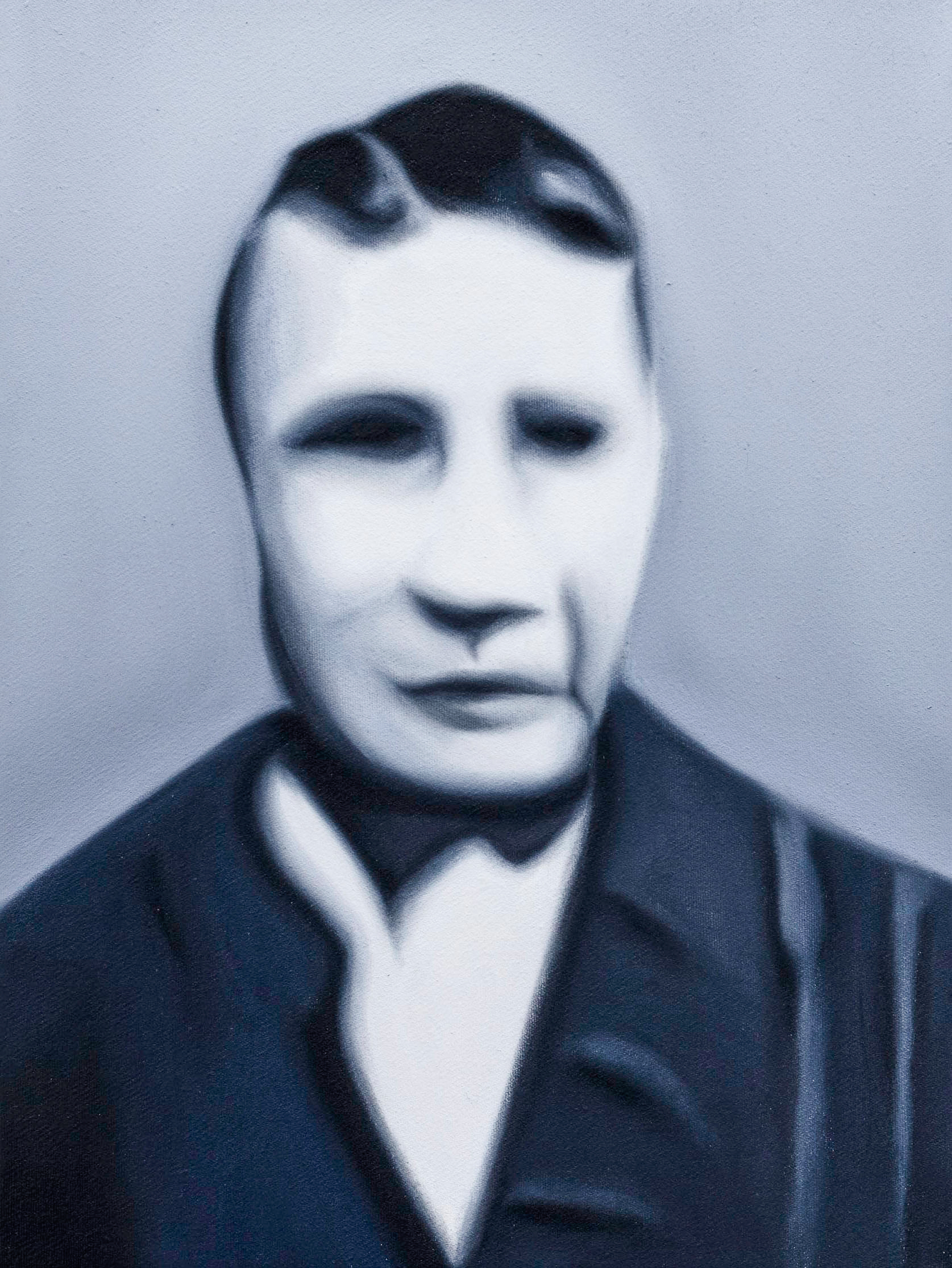
This neural network uses deep learning to analyze portraits and group images collected from multiple generations of my family. In this way, it acts as a non-human brain or photographic memory: it recognizes visual patterns, stores information, and generates new family images based on the material it has absorbed. These generated portraits exist somewhere between documentation and invention, familiarity and distortion.
Family photographs often shape the way we understand our personal history. Albums filled with weddings, holidays, birthdays, and everyday moments become visual proof of a shared past. Yet memory itself is unstable. Stories change over time and details disappear, while photographs continue to exist as fixed records.
By placing my family archive inside an artificial neural network, I investigate how technology can influence the way we reconstruct and perceive personal history. My own family history, deeply shaped by the Second World War and its aftermath, becomes translated through a system without emotional attachment or lived experience, creating an unfamiliar perspective on inherited memory.
I translate the new AI-generated portraits into paintings, connecting contemporary technology with one of the oldest traditions of portraiture. The slowness of painting contrasts with the instant nature of photography and reflects the passing of time itself.
DEEP FAMILY questions how memory is formed, preserved, and altered, while exploring the possibility that reconstructing the past also produces alternative realities of both history and identity.